The Evolution of Home Brewing: Crafting Better Coffee at Home
Home brewing has transformed from a simple morning routine into a thoughtful, creative, and highly rewarding experience for coffee lovers around the world. What was once limited to a quick drip machine or instant granules has expanded into a rich culture of flavor exploration, equipment innovation, and personal preference. Today, more people are discovering that the quality of a cup depends not only on the beans, but also on water, grind size, brew ratio, temperature, timing, and method. This growing interest in home brewing coffee reflects a larger shift toward intentional consumption, where people want to understand what they drink and how it is made.
At its core, coffee brewing at home is about control. When you brew for yourself, you choose the roast profile, the grind consistency, the brewing device, and the strength of the final cup. That freedom makes it possible to shape coffee to your exact taste, whether you prefer a bright and floral cup, a bold and heavy-bodied mug, or something balanced and smooth. The world of coffee preparation at home can seem complex at first, but the reward is consistent quality, greater freshness, and a deeper appreciation for the drink itself.
Many people begin their journey with a basic machine and later discover that there is much more to explore. Manual methods such as pour-over, French press, AeroPress, moka pot, and cold brew all offer unique results. Each style highlights different characteristics of the beans, which is one reason the topic of brewing coffee at home continues to attract beginners and experienced drinkers alike. As tastes become more refined, so does the understanding that coffee is not one-size-fits-all. The best cup is often the one made to match personal preference, routine, and mood.
Behind every good cup is a set of variables that work together. Water quality plays a major role because coffee is mostly water, and impurities can alter flavor. Freshly ground beans release aromatics that create a more vibrant cup than pre-ground coffee stored for weeks. Temperature affects extraction, with water that is too hot producing bitterness and water that is too cool leading to under-extraction. These details may seem small, but in the world of making coffee at home, they shape the final flavor in noticeable ways.
One of the strongest trends in modern coffee culture is the desire for freshness. Whole beans preserve flavor better than ground coffee, and many people now grind just before brewing to maintain aroma and complexity. This habit has helped raise the average standard of home coffee brewing, because it encourages a more thoughtful approach. Instead of relying on convenience alone, enthusiasts are paying attention to details that directly influence taste. Even a modest setup can produce exceptional results when the ingredients and technique are handled carefully.
The rise of specialty coffee has also played a major role in shaping domestic brewing habits. Consumers are more aware than ever of origin, processing methods, roast levels, and tasting notes. A bean from Ethiopia may taste fruity and delicate, while one from Brazil might deliver chocolatey, nutty warmth. This variety invites experimentation and makes coffee brewing techniques at home an exciting subject. Rather than settling for a generic flavor, drinkers can explore distinct profiles and learn how different methods emphasize acidity, body, sweetness, and finish.
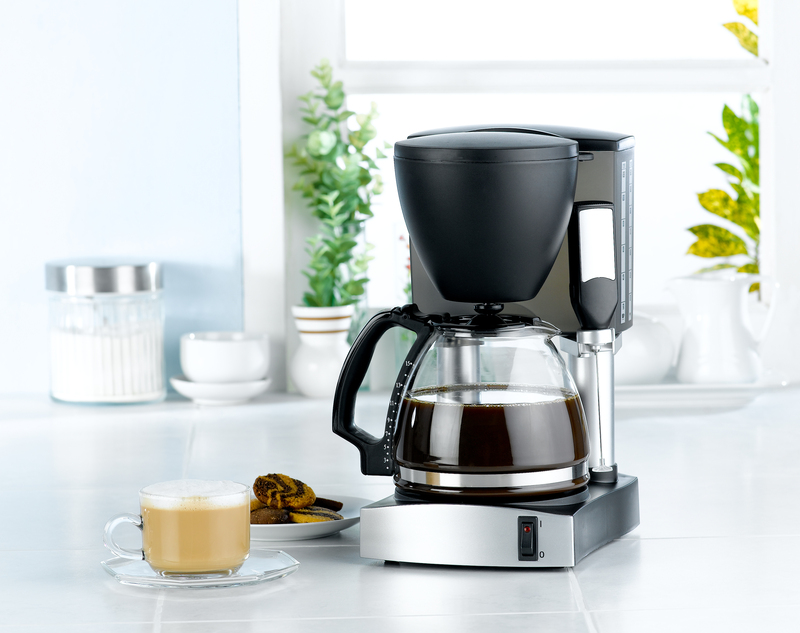
Different brewing devices encourage different levels of involvement. A drip machine offers ease and consistency, making it a practical option for busy households. A French press creates a fuller body and a more rustic feel, while pour-over methods are admired for clarity and precision. The AeroPress has earned a following because of its flexibility and fast brew time, and the moka pot remains beloved for its rich, concentrated character. Each method represents a different path within the broader world of coffee at home, and each can be excellent when used properly.
For many people, the pleasure of home brewing extends beyond taste. There is a calming ritual in measuring beans, hearing them grind, warming the vessel, and watching coffee bloom or steep. The process offers a brief moment of focus before the pace of the day begins. In this sense, brew coffee at home is not only a practical habit but also an experience that can support mindfulness. The repetitive steps become comforting, and the sensory elements contribute to a more satisfying start to the morning.
The third reason home brewing continues to grow in popularity is economics. Buying coffee daily from shops can become expensive, especially for households with multiple coffee drinkers. Brewing at home allows people to enjoy high-quality coffee at a lower cost per cup, while still choosing premium beans if they wish. That balance between cost and quality is one of the strongest advantages of home brewed coffee. It makes better coffee more accessible without sacrificing personal taste or convenience.
Equipment choices can influence both flavor and practicality, but that does not mean a great cup requires an elaborate setup. A reliable scale, a burr grinder, a kettle, and a preferred brewer are often enough to create excellent results. The key is understanding how the tools work together. Precision improves consistency, and consistency helps people repeat cups they enjoy. This is why coffee brewing at home often becomes a long-term habit: once the process is understood, it becomes easier to make satisfying coffee every day.
It is also worth noting that taste evolves over time. Someone who once preferred dark and heavy coffee may later develop an appreciation for medium roasts with fruit notes and brighter acidity. Home brewing supports this evolution by making experimentation simple and affordable. A person can adjust the grind finer or coarser, change the ratio of coffee to water, shorten the contact time, or try a different roast. These small changes reveal just how responsive coffee is to technique. As a result, brewing coffee at home becomes both a skill and an ongoing discovery.
Another important part of the conversation is sustainability. Brewing at home can reduce packaging waste, limit single-use cups, and encourage more responsible consumption habits. Some people even choose reusable filters or compost coffee grounds. While no method is perfect, making coffee at home often aligns with a more mindful lifestyle. It encourages people to value quality over impulse and to understand the journey from bean to cup more clearly. For many households, this makes home coffee brewing appealing on both personal and environmental levels.
Flavor extraction is one of the most fascinating aspects of coffee preparation. Coffee contains acids, sugars, oils, and soluble compounds that dissolve in water at different rates. If extraction is too low, the coffee may taste sour, weak, or sharp. If it is too high, it may become bitter, dry, or overly intense. Learning to balance these elements is central to coffee making at home. Although the science behind extraction can be technical, the practical lesson is simple: a few small adjustments can dramatically improve the cup.
Grind size is especially influential. Finer grinds increase surface area and speed up extraction, while coarser grinds slow it down. That means an espresso-style grind would overwhelm a French press, while a coarse grind would underperform in a pour-over. Matching grind size to brewing method is one of the easiest ways to improve flavor. In the broader practice of home brewing coffee, this is often a turning point for people who want better results without changing everything else.
Water ratio matters too. A stronger cup does not always mean better coffee, and too much coffee in relation to water can hide sweetness and clarity. Many enthusiasts rely on ratios to create balance and repeatability. Once a preferred ratio is found, it becomes easier to reproduce consistent cups. This consistency is one of the hidden strengths of coffee preparation at home, because it replaces guesswork with reliable habits. Even small improvements in precision often lead to noticeable improvements in flavor.
Roast level is another factor that shapes home coffee experiences. Light roasts often preserve origin character and offer lively acidity, while medium roasts strike a balance between complexity and sweetness. Dark roasts provide bold, roasted notes with less acidity and a heavier finish. No roast is universally best; each serves a different preference and method. Those exploring brew coffee at home can learn a great deal by sampling a range of roasts and noticing how they behave in different brewers.
Freshness remains central throughout the entire process. Coffee begins losing aromatic intensity soon after roasting, and ground coffee deteriorates even faster. That is why many serious drinkers choose beans roasted within a recent window and store them in airtight containers away from light and heat. This practice protects quality and helps preserve the distinct characteristics that make coffee enjoyable. In the world of home brewed coffee, freshness often makes the most visible difference after the bean itself.
At the same time, home brewing has become more approachable than ever. There are countless brewing devices, coffee varieties, and online conversations that make it easy to learn through observation and experimentation. Yet the most important factor remains personal preference. Some people value speed; others value ritual. Some want strong espresso-like intensity; others prefer delicate filter coffee. The flexibility of coffee brewing techniques at home allows everyone to shape the experience around their own habits and tastes.
One of the reasons coffee continues to fascinate people is that it sits at the intersection of science and pleasure. It can be studied carefully, but it is also deeply personal. A cup that tastes perfect to one person might feel too bright or too heavy to another. This subjectivity gives home coffee brewing its charm. Every brewer learns not only how coffee behaves, but also how they themselves enjoy it. That discovery makes the process feel rewarding and intimate.
Many coffee lovers also appreciate how brewing at home can adapt to changing needs. A single setup can produce a quiet morning pour-over, a larger batch for guests, or a concentrated brew for milk-based drinks. With slight adjustments, one method can serve many purposes. This versatility is part of what makes coffee at home such a practical and appealing choice. Rather than depending on a fixed shop menu, the brewer can tailor each cup to the day’s moment and intention.
Another aspect worth highlighting is the social dimension of coffee. Even when brewed at home, coffee often becomes part of shared routines, conversations, and hospitality. Offering someone a cup can feel warm and welcoming, and the quality of the brew can enhance that experience. A thoughtfully prepared cup signals care and attention. In this way, making coffee at home extends beyond personal enjoyment and into the realm of everyday connection.
For those interested in improving their results, observation is often the best teacher. Noticing how a cup tastes after altering grind size, water temperature, or brewing time provides useful feedback. Over time, these observations form a personal understanding of what works best. This practical knowledge can be more valuable than rigid formulas because it reflects real taste preference. In the broader journey of home brewing coffee, learning to taste critically is one of the most helpful skills.
There is also joy in simplicity. While coffee culture can appear highly technical, a satisfying cup does not require perfection. Sometimes a straightforward brew made with good beans and careful attention is enough. That balance between simplicity and refinement is what keeps home coffee brewing so appealing to a wide audience. It can be as minimal or as detailed as the brewer wishes, and that adaptability gives it lasting relevance.
As coffee culture continues to evolve, home brewing is likely to remain central to how people experience the drink. It offers freshness, control, affordability, sustainability, and creative freedom. More importantly, it turns coffee into something active rather than passive. Instead of simply consuming a beverage, the brewer participates in creating it. That shift is part of the enduring appeal of coffee brewing at home, and it explains why so many people continue to refine their routines year after year.
Understanding coffee at home also means recognizing that there is no single correct way to enjoy it. What matters is the result in the cup and the satisfaction of the routine itself. A person might prefer a quick, sturdy brew before work, while another takes pleasure in a slow, measured ritual on weekends. Both approaches are valid. This openness allows brewing coffee at home to remain welcoming for beginners and meaningful for seasoned enthusiasts.
Many of the benefits come from the cumulative effect of small improvements. Better beans lead to better aroma. A steadier grind improves extraction. Clean equipment preserves clarity. Fresh water supports flavor. When these elements come together, the quality of the cup can rise noticeably. The practice of home brewed coffee rewards attention without demanding perfection, which is part of why people keep returning to it. Each cup offers another chance to improve, learn, and enjoy.
In the end, home brewing is much more than a way to make caffeine. It is a craft, a habit, and a daily opportunity to shape flavor with intention. It reflects curiosity, patience, and a desire for better everyday experiences. Whether someone is new to coffee preparation at home or has been refining their routine for years, the journey remains engaging because coffee itself is endlessly adaptable. That flexibility ensures the practice will continue to evolve, delighting drinkers who value both quality and personal expression.