Regular Cleaning for Healthier, Happier Spaces
Regular cleaning is one of the simplest ways to keep homes, offices, and shared environments looking great, feeling comfortable, and functioning well. Whether you manage a busy household, run a workplace, or care for a rental property, regular cleaning helps prevent clutter, reduces germs, and supports a more polished appearance. It is not just about making a space look neat; it is about creating an environment that supports everyday life.
Many people underestimate how much of a difference regular cleaning makes over time. Small, consistent cleaning actions can prevent dirt buildup, reduce allergens, and extend the life of furniture, flooring, appliances, and fixtures. When cleaning becomes a routine instead of a last-minute task, the entire space becomes easier to manage.
From kitchens and bathrooms to workspaces and entryways, every area benefits from a steady cleaning schedule. In this article, we will explore why regular cleaning matters, what it includes, how it improves daily living, and how to build habits that make maintenance easier. If you want a cleaner, more inviting space, now is the perfect time to make regular cleaning a priority.
Why Regular Cleaning Matters
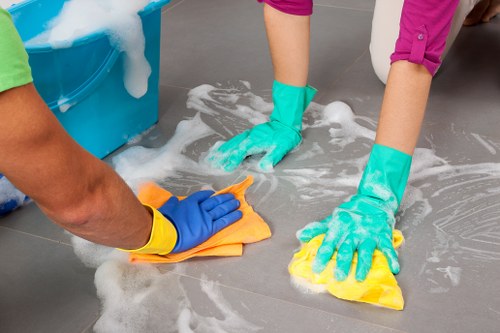
Regular cleaning plays a major role in maintaining both appearance and hygiene. Dust, grime, crumbs, moisture, and clutter can build up quickly, especially in active households or high-traffic workplaces. Without routine attention, these small issues can become larger problems that require more time and effort to fix.
One of the biggest advantages of regular cleaning is prevention. It helps stop stains from setting, keeps surfaces sanitary, and minimizes the spread of bacteria and viruses. Instead of waiting for messes to become obvious, a consistent cleaning routine addresses them early. This approach is especially helpful in kitchens, bathrooms, and shared spaces where cleanliness matters most.
Another important benefit is comfort. A clean room feels calmer, more organized, and more pleasant to use. People often focus better and feel less stressed when their surroundings are tidy. Whether at home or work, regular cleaning supports a better day-to-day experience.
The Everyday Benefits of Regular Cleaning
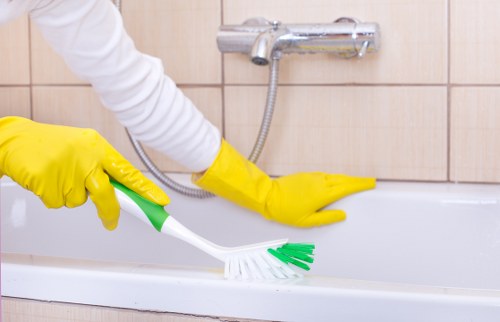
There are many practical reasons to prioritize regular cleaning. Beyond appearance, it improves the quality of the space and reduces the effort required for future upkeep. Small routines can make a big difference in long-term cleanliness and maintenance.
Key benefits include:
- Reduced dust and allergens in the air
- Fewer stains and permanent marks on surfaces
- Less clutter and improved organization
- Better indoor freshness and odor control
- Improved durability of floors, upholstery, and appliances
- Lower risk of pest attraction from food crumbs or waste
These benefits are not limited to one type of property. Homes, apartments, offices, clinics, shops, and rental units all gain from regular cleaning. When a property is maintained consistently, it becomes easier to manage and more enjoyable to occupy.
What Regular Cleaning Includes
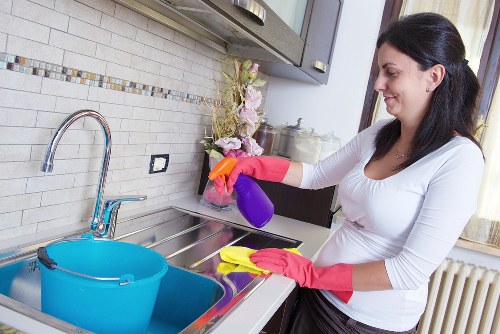
Many people think of cleaning as a single task, but regular cleaning usually involves a combination of activities performed on a routine basis. The exact schedule depends on the size of the space, the number of occupants, and the level of use.
Common tasks in a regular cleaning routine include:
- Dusting shelves, surfaces, and decorative items
- Vacuuming carpets and rugs
- Sweeping and mopping hard floors
- Wiping countertops, tables, and desks
- Cleaning sinks, taps, and bathroom fixtures
- Emptying trash bins and replacing liners
- Cleaning mirrors and glass surfaces
- Sanitizing high-touch areas like switches and handles
In many settings, regular cleaning also includes spot-cleaning spills, removing pet hair, and refreshing upholstery. The goal is to keep dirt from accumulating and maintain a consistent standard of cleanliness.
Regular Cleaning at Home
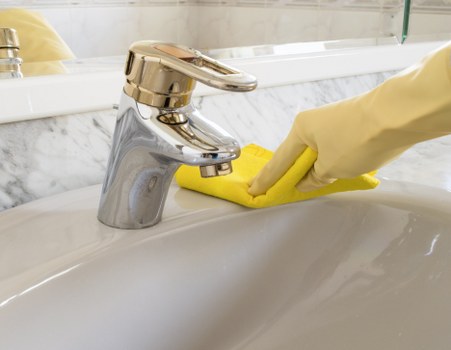
At home, regular cleaning creates a more comfortable and functional living space. It keeps common areas welcoming and helps each room serve its purpose more effectively. A tidy kitchen, a fresh bathroom, and dust-free living areas all contribute to a better home environment.
Homeowners and renters often benefit from breaking tasks into small daily or weekly actions. For example, wiping kitchen counters after meals, sweeping high-use floors every few days, and cleaning bathrooms weekly can prevent major buildup. This makes cleaning feel less overwhelming and keeps the home looking consistently cared for.
It also helps protect surfaces and furnishings. Dust and grime can wear down finishes, clog ventilation, and contribute to odors. With regular cleaning, you preserve the condition of your home and reduce the need for expensive repairs or deep restoration later.
Practical home cleaning habits
To make home maintenance easier, try combining cleaning with daily routines. For instance, clean while cooking, tidy while waiting for laundry, or wipe surfaces before bed. These small actions add up quickly and support a cleaner home without demanding long hours at once.
Regular Cleaning in Offices and Workplaces
Workplaces benefit enormously from regular cleaning. A clean office supports productivity, professionalism, and employee well-being. It also creates a positive first impression for clients, visitors, and partners.
Shared desks, meeting rooms, restrooms, kitchens, and entryways all require consistent attention. Dusty surfaces, overflowing bins, and dirty floors can make a workplace feel neglected. On the other hand, a clean environment helps employees concentrate and work more comfortably.
Regular cleaning in an office often includes sanitizing desks, vacuuming carpets, cleaning restrooms, and maintaining common areas. In some businesses, especially those serving the public, more frequent cleaning may be needed to meet hygiene expectations. Regular cleaning is not just a cosmetic choice; it is part of a reliable workplace standard.
How Regular Cleaning Supports Health
One of the strongest reasons to maintain regular cleaning is the health impact. Dust, mold, bacteria, and allergens can build up in spaces that are not cleaned consistently. This can affect people with allergies, asthma, or other sensitivities, and it can make everyday life less comfortable for everyone.
Cleaning regularly helps reduce exposure to common irritants. Vacuuming can remove dust and pet dander from floors and fabrics. Wiping surfaces can eliminate germs from areas people touch often. Bathroom and kitchen cleaning can prevent the spread of bacteria in places where food and moisture are present.
It is also important to remember that a cleaner environment supports mental well-being. Clutter and mess can create a sense of chaos, while a clean space often feels more peaceful and manageable. In this way, regular cleaning supports both physical and emotional health.
Health-focused cleaning priorities
- Sanitize high-touch points such as handles, switches, and remote controls
- Keep bathrooms dry and fresh to discourage mold growth
- Remove food residue quickly to reduce bacteria and pests
- Vacuum and dust consistently to reduce allergens
- Use appropriate cleaning products for different surfaces
Building a Simple Regular Cleaning Routine
One reason people fall behind on cleaning is that they try to do everything at once. A better approach is to create a realistic routine that fits your schedule. Regular cleaning works best when it is broken into manageable steps.
A practical system can be divided into daily, weekly, and monthly tasks. Daily tasks may include making beds, wiping counters, and putting away clutter. Weekly tasks might involve vacuuming, mopping, and cleaning bathrooms. Monthly tasks often cover deeper areas such as baseboards, vents, and behind appliances.
When creating your routine, focus on the areas that get dirty fastest. High-traffic zones need more frequent attention than low-use rooms. This keeps the space under control and prevents cleaning from becoming a huge project.
Sample cleaning rhythm
Daily: dishes, surfaces, trash, and tidying
Weekly: floors, bathrooms, bedding, and dusting
Monthly: deep-cleaning forgotten spots and checking supplies
Regular Cleaning and Property Value
For homeowners, landlords, and property managers, regular cleaning helps preserve property value. Clean spaces are easier to maintain, more attractive to visitors, and less likely to suffer from avoidable damage. Dirt and neglect can lead to stains, odors, and wear that lower the appeal of a property.
Floors last longer when they are swept and mopped regularly. Countertops and sinks stay in better condition when residues are removed quickly. Carpets, upholstery, and fixtures also hold up better when dirt does not sit for extended periods. This makes regular cleaning a smart long-term habit, not just a short-term visual fix.
For rental properties especially, clean spaces help set expectations and protect the condition of the unit between occupants. A well-maintained environment signals care and professionalism. It also makes turnover easier, since regular cleaning prevents major buildup that would otherwise require extra time and cost.
Small habits that protect value
- Clean spills immediately
- Use mats in entryways to reduce tracked-in dirt
- Dust electronics and vents to improve longevity
- Wipe moisture from bathroom surfaces after use
- Inspect neglected areas before buildup becomes a problem
Tools and Supplies That Make Regular Cleaning Easier
The right tools can make regular cleaning faster, safer, and more effective. You do not need a large collection of products, but having the essentials close at hand can save time and improve results.
Basic supplies often include microfiber cloths, a vacuum cleaner, a mop, a broom, disinfecting wipes, glass cleaner, all-purpose cleaner, trash bags, and brushes for tougher spots. For bathrooms and kitchens, it helps to keep specialized products for soap scum, grease, and limescale.
Organization matters too. If supplies are easy to access, cleaning becomes less of a chore. Store items in a closet, utility area, or portable caddy so you can move quickly from one room to another. With the right setup, regular cleaning becomes more efficient and less stressful.
Choosing the right tools
When selecting cleaning products, look for ones suitable for your surfaces and needs. Using the wrong product can damage wood, stone, fabric, or finishes. A simple, thoughtful toolkit is often better than an overcomplicated one.
Common Mistakes People Make With Regular Cleaning
Even with good intentions, some cleaning habits can reduce effectiveness or create more work later. Avoiding common mistakes can make regular cleaning more productive and less frustrating.
One mistake is waiting too long between cleanings. The longer dirt stays in place, the harder it becomes to remove. Another mistake is using too much product, which can leave residue behind. Some people also clean surfaces in the wrong order, causing dust or debris to fall onto areas they already finished.
It is also common to ignore high-touch and hidden areas. Light switches, door handles, under furniture, and behind appliances often collect dirt without being noticed. By paying attention to these spots, you keep the entire environment cleaner and more balanced.
Ways to avoid cleaning mistakes
- Clean regularly instead of waiting for major buildup
- Work from top to bottom so debris falls downward
- Use the correct product for each material
- Focus on high-use and high-touch areas first
- Schedule deeper tasks before they become urgent
Regular Cleaning for Busy Lifestyles
Many people assume that maintaining a clean space requires long hours every week, but regular cleaning can actually save time. A few minutes each day is often easier than a large cleanup after weeks of neglect. This is especially valuable for families, professionals, students, and anyone with a packed schedule.
Busy households often benefit from dividing tasks among family members. In workplaces, cleaning responsibilities may be assigned by zone or schedule. In either case, consistency matters more than perfection. A steady routine keeps the space manageable even when life is hectic.
If time is limited, focus on the areas that affect daily comfort the most. Kitchen counters, bathroom sinks, floors, entryways, and trash bins often deserve priority. These spaces have the biggest impact on how a room feels and functions, making regular cleaning especially worthwhile.
Time-saving strategies
- Clean as you go during daily activities
- Keep supplies where they are used most
- Set short timers for focused cleaning sessions
- Address messes immediately before they spread
- Use a room-by-room checklist to stay organized
When Regular Cleaning Is Not Enough
Although regular cleaning handles everyday dirt and clutter, some situations call for deeper attention. Heavy buildup, seasonal maintenance, post-renovation mess, and neglected areas may require a more intensive approach. Recognizing this difference helps you stay ahead of problems.
For example, deep grime in grout, greasy kitchen appliances, or thick dust in vents may not respond to surface-level cleaning alone. In these cases, a more thorough process can restore cleanliness and prevent further issues. Regular cleaning still matters, but it works best when paired with occasional deeper care.
This balance is useful in homes and businesses alike. Routine upkeep keeps the environment stable, while deeper cleaning restores areas that need extra attention. Together, they create a stronger long-term maintenance plan.
Signs deeper cleaning may be needed
- Persistent odors even after surface cleaning
- Visible stains that do not lift easily
- Dust that returns quickly in the same areas
- Grease, soap scum, or mineral buildup
- Neglected corners, vents, or hidden surfaces
How Regular Cleaning Improves First Impressions
Whether someone is visiting your home, entering your office, or viewing a rental space, the first impression is often shaped by cleanliness. Regular cleaning helps create a space that looks cared for, organized, and welcoming.
People naturally notice floors, surfaces, odors, and overall order when they enter a room. A clean environment signals attention to detail and creates confidence in the space. It also helps guests or clients feel more at ease right away.
This matters in both personal and professional settings. A tidy living room can make guests feel comfortable. A polished office can help businesses appear reliable. In every case, regular cleaning supports a positive image without requiring dramatic changes.
Elements people notice first
- Floor cleanliness
- Odor and freshness
- Visible dust or clutter
- Bathroom and kitchen condition
- General order and tidiness
Making Regular Cleaning a Lasting Habit
The best way to benefit from regular cleaning is to make it part of everyday life. Habits are easier to maintain when they are simple, consistent, and tied to routines you already follow. You do not need a perfect system to get real results.
Start small and build from there. Pick a few high-priority tasks, repeat them consistently, and expand the routine over time. The goal is not to clean constantly; it is to maintain a standard that keeps your environment pleasant and manageable.
Over time, these habits become second nature. Rooms stay cleaner for longer, special cleaning jobs become less common, and maintenance feels less stressful. That is the real value of regular cleaning: it creates a smoother, healthier, and more enjoyable everyday experience.
Final habit-building tips
Keep it realistic: choose tasks you can maintain.
Stay consistent: small efforts matter more than occasional big efforts.
Review and adjust: update your routine as needs change.
Conclusion: The Value of Regular Cleaning Every Day
Regular cleaning is one of the most effective ways to protect comfort, hygiene, appearance, and long-term property condition. It reduces stress, supports healthier living, and makes spaces feel more welcoming. Whether you are caring for a home, office, or shared property, consistency is the key.
By building simple routines, using the right tools, and focusing on high-use areas, you can keep your space in excellent shape without feeling overwhelmed. The benefits of regular cleaning grow over time, making it one of the smartest habits for any environment.
If you are ready to improve your space and make maintenance easier, contact us today or book your service now to keep your property looking its best all year round.