Communal Area Cleaning: Keeping Shared Spaces Safe, Fresh, and Welcoming
Communal area cleaning plays a vital role in maintaining the comfort, safety, and appearance of shared environments. Whether it is an apartment building, office complex, student housing, retirement community, or mixed-use property, the condition of communal spaces influences how people feel about the entire building. When these areas are clean, well-maintained, and hygienic, residents, visitors, and staff enjoy a more pleasant experience every day.
In many properties, communal area cleaning is often the first thing people notice and the last thing they remember. A spotless entrance, polished floors, fresh-smelling corridors, and tidy shared facilities create a strong impression. On the other hand, neglected shared areas can quickly lead to complaints, safety risks, pest problems, and damage to a building’s reputation. That is why regular, professional cleaning of communal spaces is not just a cosmetic choice; it is an essential part of responsible property management.
From lobby cleaning to stairwell cleaning, lift maintenance, hallway sanitization, and bin area cleaning, every shared section deserves attention. Effective communal area cleaning supports health, hygiene, and long-term property value while helping reduce wear and tear on surfaces. It also creates a more respectful atmosphere where residents and occupants are more likely to keep spaces tidy.
What Communal Area Cleaning Includes
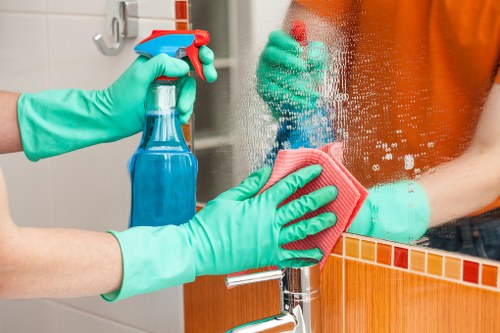
Communal area cleaning refers to the regular cleaning and upkeep of spaces used by multiple people in a building or complex. These shared zones can include entrances, hallways, staircases, elevators, communal kitchens, laundry rooms, lobbies, reception areas, and outdoor access points. Because these places experience frequent foot traffic, they need consistent cleaning to remain hygienic and presentable.
Unlike private cleaning, communal area cleaning must account for a wider range of users and usage patterns. One person’s routine may affect everyone else in the building, so the cleaning strategy must be both thorough and practical. It should address visible dirt as well as hidden build-up in corners, touchpoints, and high-contact surfaces.
Effective shared area maintenance usually includes dusting, vacuuming, sweeping, mopping, disinfection, waste removal, glass cleaning, and spot cleaning of marks or spills. In some buildings, it also includes periodic deep cleaning, carpet care, wall cleaning, and sanitation of shared appliances and fixtures.
Common areas that need regular attention
- Entrances and foyers
- Hallways and corridors
- Staircases and landings
- Lifts and elevator buttons
- Communal kitchens and break areas
- Laundry rooms and shared utility spaces
- Bin stores and refuse collection points
- External doorways and access paths
Each of these spaces has different cleaning needs. For example, entrance cleaning may focus on glass doors, mats, and fingerprints, while stairwell cleaning may require extra attention to dust, handrails, and debris. The best results come from a tailored cleaning plan rather than a one-size-fits-all approach.
Why Communal Area Cleaning Matters
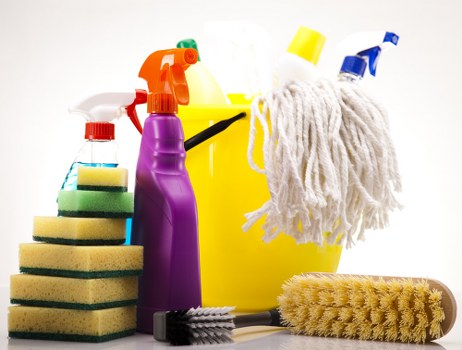
There are several reasons why communal area cleaning is essential. First, it helps maintain hygiene in high-traffic environments. Shared spaces are exposed to constant contact, which increases the spread of germs and allergens. Regular cleaning and disinfection can reduce the risk of illness and create a healthier environment for everyone.
Second, clean communal spaces improve the overall appearance of a property. People naturally judge a building by the condition of its shared areas. A well-cleaned lobby, polished hallway, and neatly maintained stairwell can enhance the perception of the entire property. This is especially important in residential blocks, commercial buildings, and managed developments where presentation matters.
Third, communal area cleaning can help extend the life of flooring, fittings, and fixtures. Dirt, grit, and moisture can wear down carpets, damage hard floors, and stain surfaces over time. Routine cleaning removes abrasive particles and reduces long-term maintenance costs. In that sense, regular communal cleaning is both a hygiene measure and a form of asset protection.
Key benefits of professional shared area cleaning
- Improved hygiene and reduced germ spread
- Better appearance and stronger first impressions
- Safer walkways with less debris and slip risk
- Longer life for floors, walls, and fixtures
- Lower maintenance and repair expenses
- Greater resident and tenant satisfaction
Well-maintained communal spaces also help reduce conflict among residents and occupants. When cleaning standards are clear and consistent, people are less likely to feel frustrated by mess, odors, or blocked access routes. This creates a more cooperative living or working environment.
Best Practices for Effective Communal Area Cleaning

Successful communal area cleaning depends on planning, consistency, and attention to detail. It is not enough to clean only when a problem becomes visible. Shared areas should be maintained on a schedule that reflects traffic levels, building type, and seasonal needs. High-use buildings may require daily service, while quieter properties may need cleaning several times a week.
One of the most important practices is to prioritize high-touch points. These include door handles, railings, light switches, lift buttons, intercom panels, and shared appliance surfaces. Because many different people use these items throughout the day, they can quickly become hotspots for germs. Frequent sanitization is essential.
Another key practice is to use the right products and equipment for each surface. Hard flooring, carpet, stainless steel, glass, and painted walls all require different approaches. Using the wrong cleaner can cause damage or leave residues behind. A trained cleaning team understands how to match methods to materials while delivering consistent results.
Daily, weekly, and periodic cleaning tasks
- Daily: sweep or vacuum floors, mop entrances, wipe touchpoints, remove waste, and check visible spills.
- Weekly: deep clean stairs and landings, polish surfaces, dust ledges, and sanitize bins or shared fixtures.
- Periodic: machine scrub floors, clean windows, wash walls, and complete detailed sanitization of hard-to-reach areas.
Consistency matters more than intensity alone. A building that receives smaller, regular cleaning sessions often looks and feels better than one that is cleaned only occasionally with heavy effort. Routine care prevents build-up and keeps the environment under control.
Well-planned communal area cleaning should also include inspection. Staff should look for broken lighting, damaged flooring, leaks, odors, pest signs, or overflowing waste. Early detection helps prevent minor issues from turning into larger property problems.
How Communal Area Cleaning Supports Health and Safety
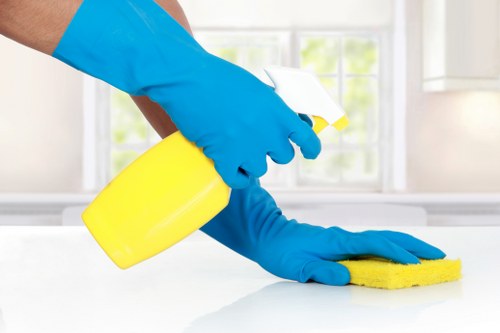
Health and safety are major reasons to invest in communal area cleaning. Shared environments can quickly become unsafe if dirt, moisture, and clutter are allowed to accumulate. Slippery floors, obstructed walkways, and contaminated surfaces all increase the risk of accidents or illness.
In residential and commercial settings alike, cleaning plays a direct role in reducing slip-and-trip hazards. Water near entrances, mud on stairs, loose debris in corridors, and clutter near exits can all create risks. Regular sweeping, mopping, and waste removal help keep access routes clear and safe.
Communal area cleaning also supports infection control. In buildings with many users, viruses and bacteria can spread through contact surfaces. High-touch cleaning, coupled with proper disinfectants, lowers the chance of cross-contamination. This is especially important in shared kitchens, bathrooms, lifts, and reception areas.
Safety-focused cleaning actions
- Dry or wet clean floors to remove slippery residue
- Use warning signage during mopping or deep cleaning
- Keep exits, fire routes, and corridors clear
- Sanitize touchpoints regularly
- Dispose of waste promptly and securely
- Report hazards such as leaks or damaged fixtures quickly
Another safety advantage of professional communal area cleaning is better air quality. Dust, allergens, and mold spores can build up in neglected shared spaces. Regular dusting, vacuuming, and ventilation support cleaner air, which is especially important for people with asthma or allergies.
Safety and hygiene go hand in hand in every shared environment. A clean communal space is easier to navigate, more comfortable to use, and less likely to contribute to preventable incidents.
Choosing the Right Communal Area Cleaning Approach
Not every property needs the same communal area cleaning schedule. The right approach depends on building size, occupancy levels, traffic patterns, and the specific areas being maintained. A small residential block may need simple routine cleaning, while a large apartment complex or office building may require a more detailed service plan.
It is helpful to start with a site assessment. This allows the cleaning provider or property manager to identify the busiest zones, the most frequently touched surfaces, and the areas most prone to dirt or waste build-up. From there, a practical cleaning schedule can be designed to suit the property’s needs.
Customization matters because different spaces require different levels of attention. For example, communal kitchen cleaning may need sanitization and degreasing, while entrance cleaning may focus on glass, mats, and floor care. Outdoor common areas may require litter picking and pressure cleaning, depending on exposure to weather and footfall.
Questions to consider when planning a service
- How many people use the space each day?
- Which areas receive the most foot traffic?
- Are there seasonal issues such as mud, salt, or wet weather?
- Do any surfaces need specialist treatment?
- Are there waste management or odor issues?
- How often should deep cleaning be carried out?
Choosing a reliable cleaning plan can save time and reduce disruption. When communal area cleaning is scheduled properly, residents and occupants can go about their day with minimal inconvenience. That balance between cleanliness and convenience is one of the most important signs of a well-run building.
Professional communal area cleaning is also valuable because it brings expertise, structure, and accountability. Trained cleaners know how to handle common challenges efficiently, maintain standards consistently, and adapt to changing conditions.
Communal Area Cleaning for Different Property Types
Shared spaces vary widely from one property type to another, and communal area cleaning should reflect those differences. A modern apartment building may need spotless lifts and polished reception areas, while a student residence may focus more on waste control, kitchen hygiene, and heavy-use corridors. Office buildings, meanwhile, often need a professional appearance and regular disinfection of shared work zones.
In residential blocks, resident comfort is usually the top priority. Clean stairwells, tidy mail areas, fresh-smelling hallways, and dust-free skirting boards all contribute to a pleasant atmosphere. Residents are more likely to respect the property when they see that it is cared for consistently.
In commercial settings, presentation can influence business reputation. Clients, staff, and visitors notice the condition of the entrance, lifts, and communal facilities immediately. Clean shared spaces can support productivity, morale, and confidence in the organization managing the premises.
Examples by property type
- Apartment buildings: lobby care, corridor cleaning, stairwell maintenance, bin area sanitation
- Office buildings: reception cleaning, kitchen hygiene, lift sanitation, washroom support
- Student housing: waste removal, high-touch disinfection, kitchen and hallway cleaning
- Retirement communities: extra attention to hygiene, accessibility, and slip prevention
- Mixed-use properties: flexible schedules, tailored cleaning zones, and stronger waste control
Whatever the setting, the aim remains the same: to deliver reliable communal area cleaning that keeps shared environments attractive, safe, and functional.
Common Challenges in Communal Area Cleaning
Although communal area cleaning is essential, it is not always straightforward. Shared spaces can be difficult to keep spotless because many different people use them, often at different times of day. Dirt may return quickly, and cleaning work may need to happen without disturbing residents or staff.
One common challenge is maintaining standards in high-traffic areas. Entrances and corridors may need frequent attention because they collect dust, mud, and litter rapidly. Seasonal changes can make this worse, especially during rainy or snowy weather when moisture is tracked inside.
Another challenge is managing waste and odors. Bin rooms, refuse areas, and shared kitchen spaces can become unpleasant if bins are not emptied regularly or if spills are left untreated. Proper disposal routines and deodorizing measures help maintain a fresher environment.
Frequent issues that affect shared spaces
- Footprints and tracked-in dirt
- Finger marks on glass and doors
- Dust build-up on ledges and corners
- Overflowing bins and odors
- Spills in kitchens or entrance areas
- Graffiti, scuffs, or sticky residues
Noise and disruption can also be a concern. Cleaning must often take place during off-peak hours or with careful coordination. This is why good communication and planning are important. When cleaning is scheduled thoughtfully, it supports daily routines rather than interrupting them.
Why Regular Maintenance Delivers Better Results
Regular maintenance is the backbone of effective communal area cleaning. When cleaning is left too long between visits, dirt becomes harder to remove and surfaces deteriorate more quickly. By contrast, routine care keeps the building looking fresh and prevents avoidable problems from developing.
Frequent attention also helps cleaners work more efficiently. A space that is maintained regularly usually requires less intensive effort each time. That can make the service more cost-effective over the long term and reduce the need for expensive restorative work.
In addition, regular maintenance creates a visible standard. Residents and users notice when a building is cared for consistently. That perception can improve satisfaction and encourage more respectful behavior in shared spaces. People tend to dispose of waste properly and avoid causing mess when they see that the area is well looked after.
Long-term advantages of routine care
- Less build-up of dirt and grime
- Fewer repairs caused by neglect
- Better indoor hygiene
- Improved building image
- Lower risk of complaints
- More predictable maintenance costs
Regular communal area cleaning is one of the simplest ways to protect a property’s value while improving day-to-day experience. It is an investment that pays off through cleanliness, safety, and smoother management.
Creating a Better Shared Environment
Clean communal spaces influence how people behave, feel, and interact. When hallways are tidy and lifts are fresh, the entire property feels more organized and cared for. That sense of order can have a positive effect on community standards and overall satisfaction.
Property managers and landlords who prioritize communal area cleaning often find that it supports better relationships with occupants. It reduces complaints, improves building presentation, and helps establish trust. Clean shared spaces show that the property is being actively managed rather than simply maintained at a minimum level.
For residents, the benefits are immediate and practical. For visitors, the effect is often subconscious but powerful. And for property owners, the result can be stronger reputation, better retention, and fewer maintenance surprises. Clean communal areas are not a luxury; they are a fundamental part of a well-run building.
Final thoughts on shared space care
If you want your property to look its best and function properly, make communal area cleaning a regular priority. Clean entrances, hygienic corridors, safe stairwells, and fresh shared facilities all contribute to a better environment for everyone. Book your service now to keep your communal areas in top condition, or contact us today to take the next step toward a cleaner, safer shared space.