Oven Cleaning in Homes and Businesses: A Practical, SEO-Friendly Approach to a Fresher Kitchen
Why Oven Cleaning Matters More Than Most People Think

Oven cleaning is one of those household tasks that many people delay until it becomes unavoidable. Yet, regular oven cleaning does far more than improve appearance. It helps your appliance run more efficiently, reduces lingering odors, supports better cooking results, and creates a cleaner kitchen environment overall. Whether you cook every day or only occasionally, keeping the oven clean can make a noticeable difference in how your kitchen feels and performs.
A neglected oven can collect grease, burnt food, carbon buildup, and stubborn residue that affects heat distribution. This can lead to uneven cooking, smoke during preheating, and unpleasant smells that spread through the home. Over time, the buildup may even shorten the appliance’s lifespan. That is why oven cleaning should be considered part of routine kitchen maintenance rather than an occasional chore.
For households, landlords, tenants, restaurants, and property managers, oven cleaning is a practical investment in hygiene and appliance care. It also helps support food safety by removing old residue that can harbor bacteria and create smoky, contaminated cooking conditions. If you have been putting off the job, now is a good time to understand what makes proper oven cleaning so valuable.
What Makes Oven Cleaning So Challenging?
Understanding grease, grime, and baked-on residue
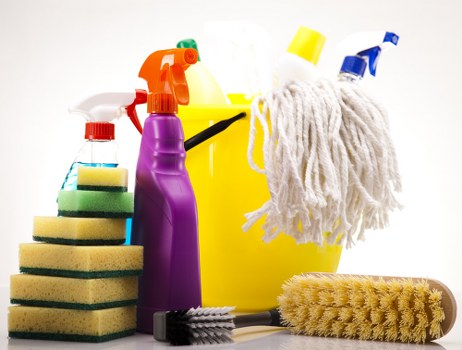
Oven cleaning can be difficult because ovens are built to withstand high temperatures, which also makes residue harder to remove once it has been baked on repeatedly. Grease splatters, drips from roasts, cheese spills, and crumbs often carbonize after several cooking cycles. The result is a layer of grime that cannot be removed with a quick wipe.
Many people start oven cleaning only to discover that the job involves racks, trays, glass doors, corners, seals, vents, and hidden areas around fans or burners. Each surface may require a different approach. That is why effective oven cleaning often takes a combination of soaking, scrubbing, and using the right cleaning solution for the material and level of buildup.
Another reason oven cleaning feels so demanding is that it demands patience. Rushing the process can leave streaks, chemical residues, or stubborn patches behind. A proper approach gives the cleaner time to break down grease safely and thoroughly while protecting the oven’s internal components.
Signs Your Oven Needs Cleaning Now
If you are unsure whether it is time for oven cleaning, the appliance often gives clear warning signs. These signs may start small and become more obvious over time, especially if you cook fatty foods, bake frequently, or use the oven at high temperatures.
Common signs include:
- Smoke appearing during preheating or cooking
- Persistent burnt smells after use
- Visible grease splashes on the walls or door
- Brown or black deposits on racks and trays
- Uneven cooking or hot spots
- Sticky or dull oven glass
- Food debris or ash at the bottom of the oven
If you notice one or more of these issues, oven cleaning should move to the top of your maintenance list. Acting early usually makes the job easier and helps avoid more intensive deep oven cleaning later. A cleaner oven is not only more pleasant to use, but also safer and more efficient.
Quick tip
Small spills are much easier to remove when they are fresh. Wiping up messes after the oven cools can prevent major buildup later.
Benefits of Regular Oven Cleaning

Regular oven cleaning offers more benefits than many homeowners expect. Beyond visual appeal, it contributes to better performance, cleaner cooking, and a more comfortable kitchen. When the inside of the oven is free from heavy residue, heat can circulate more evenly, helping dishes cook more consistently.
Another major advantage is odor control. Old grease and burnt food particles can create a persistent smell every time the oven is turned on. With proper oven cleaning, those odors are reduced or eliminated, making the kitchen more pleasant for daily cooking and entertaining.
There is also a hygiene benefit. Even though ovens reach high temperatures, leftover debris and spills can still affect cleanliness and food preparation. Regular oven cleaning helps maintain a sanitary cooking space and reduces the chance of smoke or contamination from old residue.
Key advantages at a glance
- Improved energy efficiency
- More even cooking results
- Less smoke and odor
- Longer appliance lifespan
- Better kitchen hygiene
- Enhanced appearance of the appliance
DIY Oven Cleaning: What Works and What to Avoid
Safe methods for everyday oven maintenance
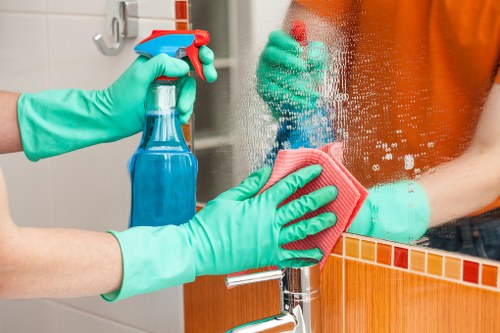
Many people prefer to handle oven cleaning themselves, especially for light to moderate buildup. DIY oven cleaning can be effective when done correctly, and it is often enough to keep the appliance in good condition between deep cleans. A basic routine usually includes removing loose debris, wiping surfaces, and using a suitable cleaner to break down grease.
For many households, a simple paste made from baking soda and water can help loosen grime. This is often applied to the interior surfaces and left to work for several hours or overnight. After that, the residue can be wiped away with a damp cloth, and stubborn spots can be gently scrubbed with a non-abrasive pad.
However, not every cleaning method is safe for every oven. Self-cleaning cycles, strong chemical sprays, and abrasive tools can damage finishes, seals, or glass if used incorrectly. Always check the manufacturer’s instructions before starting oven cleaning, especially if your appliance has a special coating or a pyrolytic function.
What to avoid
- Metal scrubbers that can scratch enamel or glass
- Harsh chemicals on sensitive surfaces
- Excess water near electrical components
- Mixing cleaning products together
- Using sharp tools to scrape off residue
Safety first: Always make sure the oven is fully cool and disconnected from power where appropriate before starting oven cleaning.
Step-by-Step Oven Cleaning Process
Whether you are doing a light clean or a more detailed deep oven cleaning, a structured process helps produce better results. Breaking the task into manageable steps also reduces the chance of missing hidden grime or damaging the appliance.
Recommended cleaning steps:
- Turn off and cool the oven completely.
- Remove racks, trays, and loose debris.
- Brush out crumbs and burnt bits from the base.
- Apply your chosen oven cleaning solution.
- Allow time for the cleaner to loosen buildup.
- Scrub gently with non-abrasive tools.
- Wipe away residue with a damp microfiber cloth.
- Clean the oven door glass and seals carefully.
- Dry all surfaces thoroughly before use.
This process is useful for both domestic and commercial oven cleaning. In commercial kitchens, the same logic applies, though larger appliances and heavier use may require more frequent attention. If buildup is thick or baked on, repeating some steps may be necessary to achieve a spotless finish.
Oven Cleaning Products: Choosing the Right Option
Natural, commercial, and specialist cleaners
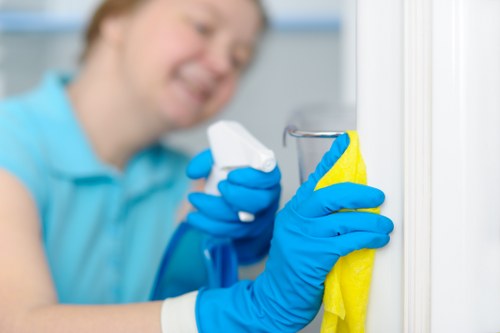
There are many products on the market designed for oven cleaning, and choosing the right one depends on your oven type, cleaning frequency, and comfort level with chemicals. Some people prefer natural solutions such as baking soda, vinegar, and warm water. Others choose commercial degreasers or specialty oven cleaning sprays for tougher residue.
Natural methods can be a good choice for regular maintenance and light grime. They are generally less harsh and more accessible for everyday use. Commercial products, on the other hand, can offer stronger degreasing power and may be more effective for severe buildup or neglected ovens.
It is important to read labels carefully. Some products are designed only for certain surfaces, while others require gloves, ventilation, or a specific dwell time. The best oven cleaning product is the one that balances effectiveness, safety, and compatibility with your appliance.
Helpful considerations when choosing a cleaner
- Is it safe for enamel, stainless steel, or glass?
- Does it require strong ventilation?
- Will it leave a chemical residue or smell?
- Is it suitable for self-cleaning oven interiors?
- Can it handle heavy carbon buildup?
How Often Should You Clean Your Oven?
The ideal oven cleaning schedule depends on how often you cook and what types of food you prepare. A household that uses the oven daily will usually need more frequent cleaning than a home where the oven is used only occasionally. In general, light maintenance after each spill and a more detailed clean every few months can keep the appliance in good condition.
For busy kitchens, regular oven cleaning may be needed on a weekly or biweekly basis, especially if fats, sauces, or roasts are commonly cooked. Commercial kitchens often follow stricter cleaning schedules because oven performance and hygiene directly affect business operations and food safety standards.
A practical rule: do a quick wipe after messy cooking sessions and schedule a deeper clean before residue has time to harden. This makes each oven cleaning session faster, easier, and more effective. The longer buildup remains, the more effort it usually takes to remove.
Deep Oven Cleaning vs Routine Maintenance
Knowing when to go beyond a quick wipe
Routine maintenance and deep oven cleaning are both important, but they serve different purposes. Routine cleaning focuses on removing fresh spills, crumbs, and light grease before they become a problem. Deep oven cleaning tackles stubborn buildup, hidden residue, and areas that are often overlooked.
Routine oven cleaning may involve wiping the door, cleaning the racks, and clearing the bottom tray or base. Deep cleaning may include removing removable parts, soaking racks, cleaning fan covers, treating the glass, and carefully working on corners and edges where grease accumulates.
If your oven has not been cleaned in a long time, deep oven cleaning is usually the best place to start. Once the appliance is restored to a clean state, maintaining it becomes much simpler. Regular upkeep also makes future deep cleans less labor-intensive and more cost-effective.
Deep cleaning often includes
- Racks and trays
- Interior walls and ceiling
- Oven door and glass panel
- Seals and gaskets
- Knobs and exterior surfaces
- Fan covers or removable interior parts
Professional Oven Cleaning: When It Makes Sense
While DIY oven cleaning can be effective, there are times when hiring a professional makes more sense. If the oven is heavily soiled, has a strong burnt odor, or needs restoration after months of neglect, professional oven cleaning can save time and deliver more consistent results. Professionals usually have the tools, products, and experience needed to handle difficult buildup safely.
Professional oven cleaning is also useful for people who prefer to avoid strong fumes, lengthy scrubbing, or the risk of damaging the appliance. It can be especially helpful for landlords preparing a property, businesses maintaining commercial kitchens, or households with limited time. In many cases, the cost is justified by the convenience and quality of the results.
When choosing professional oven cleaning, look for a service that understands the appliance type, uses appropriate methods, and protects delicate components. A careful cleaner should leave the oven looking refreshed without streaks, odors, or residue.
Tips for Keeping Your Oven Cleaner for Longer
The best way to reduce the workload of oven cleaning is to prevent heavy buildup in the first place. Small habits can make a big difference over time and help keep the appliance looking and performing better between major cleans.
Simple habits that help:
- Place baking trays under dishes likely to spill.
- Wipe spills once the oven is cool.
- Use oven-safe covers or liners where appropriate.
- Avoid overfilling dishes that may bubble over.
- Remove crumbs and debris regularly.
- Clean oven racks before buildup becomes stubborn.
Consistency matters. A few minutes of maintenance after cooking can prevent hours of scrubbing later. That is one of the simplest ways to make oven cleaning less stressful and more manageable.
Oven Cleaning for Different Types of Ovens
Not every appliance requires the same method
Oven cleaning techniques should be adjusted depending on the type of appliance. Conventional ovens, fan ovens, range ovens, built-in models, and self-cleaning units all have slightly different needs. Using the wrong method on the wrong oven can reduce performance or damage surfaces.
Self-cleaning ovens, for example, use high heat to burn away residue, but they still need basic care afterward. Steam ovens may require gentler solutions and attention to moisture-related buildup. Gas ovens may have components that need special caution near burners or ignition systems. Electric ovens often include delicate elements that should not be soaked or overloaded with cleaner.
Knowing your oven type helps you choose the most effective oven cleaning strategy. If in doubt, consult the user manual or choose a service familiar with your appliance model. This small step can help prevent costly mistakes and improve results.
Why Oven Cleaning Supports Better Cooking Results
A clean oven often performs better in ways people can actually taste. When grease and food residue are removed, heat can circulate more evenly around dishes. This means roasts may brown more evenly, baked goods may rise more consistently, and meals may finish with fewer hotspots or burnt patches.
Clean ovens are also more pleasant to use. There is less smoke, fewer lingering odors, and a lower chance that old residue will affect the flavor of fresh food. For home cooks who care about presentation and taste, regular oven cleaning is a simple but important part of kitchen performance.
In short, oven cleaning is not just about neatness. It supports the cooking process itself. That makes it a valuable habit for anyone who wants a more reliable, efficient, and enjoyable kitchen experience.
Final Thoughts on Oven Cleaning
Oven cleaning may not be the most exciting household task, but it is one of the most worthwhile. A clean oven looks better, smells better, cooks better, and lasts longer. Whether you use natural cleaners, commercial products, or professional help, the key is to clean regularly before buildup becomes overwhelming.
By treating oven cleaning as an ongoing part of kitchen care, you can avoid smoke, reduce odors, improve hygiene, and enjoy better cooking results. The process becomes easier when handled consistently, and the benefits quickly outweigh the effort.
If your oven is overdue for attention, take the next step today. Book your service now or contact us today to get your oven back to a cleaner, fresher, and more efficient condition. Your kitchen will thank you for it.