Domestic Cleaning in Your Home: Practical Tips, Smart Routines, and a Fresher Living Space
Domestic cleaning is one of the most effective ways to create a healthier, more comfortable, and more enjoyable home environment. Whether you live in a busy family household, a compact apartment, or a larger property that needs regular upkeep, domestic cleaning plays a major role in how your space looks, smells, and feels. A clean home is not only more pleasant to live in, but it also supports better hygiene, reduces stress, and helps maintain the value of your property over time.
In today’s fast-paced world, many people struggle to keep up with household chores while balancing work, family, and social commitments. That is why domestic cleaning has become more than a simple weekend task; it is a practical lifestyle habit that can save time, improve organization, and make daily life smoother. From routine dusting and vacuuming to deep cleaning kitchens and bathrooms, every part of the process contributes to a better living environment.
For homeowners and renters alike, domestic cleaning is also about prevention. Regular attention to surfaces, floors, fabrics, and high-touch areas helps reduce the buildup of dirt, allergens, bacteria, and unpleasant odors. Over time, this can make a noticeable difference in indoor air quality, the appearance of furniture, and even the lifespan of household items. Clean homes are easier homes, and a thoughtful cleaning routine can help you stay ahead of mess before it becomes overwhelming.
What Domestic Cleaning Really Means
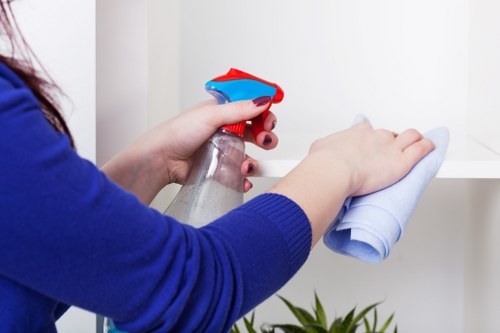
Domestic cleaning refers to the regular maintenance and sanitizing of residential spaces. It includes everyday chores as well as deeper tasks designed to keep a house or apartment tidy, hygienic, and welcoming. While some people think of domestic cleaning as only sweeping and wiping surfaces, it often covers a much wider range of responsibilities.
Typical domestic cleaning tasks may include dusting furniture, mopping floors, cleaning bathrooms, wiping kitchen counters, vacuuming carpets, washing dishes, cleaning mirrors, taking out trash, and organizing living spaces. Depending on the household, it may also involve laundry, changing bed linens, polishing appliances, and disinfecting frequently touched items such as door handles and light switches.
Domestic cleaning is not just about appearance. It also supports hygiene and comfort. A clean home can help minimize germs, reduce allergens such as dust and pet dander, and create a more peaceful atmosphere. For many families, it is one of the most practical ways to maintain a balanced and healthy lifestyle.
Why Domestic Cleaning Matters for Every Household
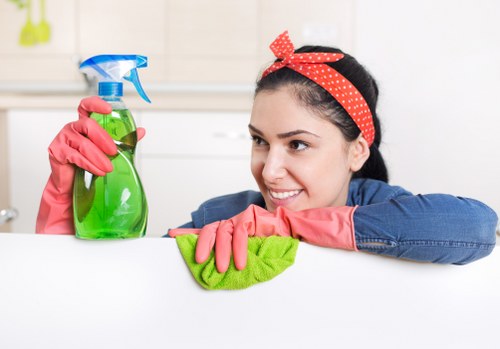
Domestic cleaning matters because the condition of your home influences nearly every part of daily life. When rooms are clean and organized, it becomes easier to relax, focus, and carry out routine activities without distraction. On the other hand, clutter and dirt can increase stress and make even simple tasks feel more difficult.
There are also important health benefits. Regular domestic cleaning removes dust, mold spores, pollen, and other particles that can trigger allergies or breathing issues. Kitchens and bathrooms, in particular, require careful cleaning because they are common areas where bacteria and moisture can build up. A consistent cleaning schedule helps reduce those risks.
Another major reason domestic cleaning matters is property maintenance. Dirt and grime can wear down surfaces over time, while neglected spills can stain carpets, upholstery, and flooring. Routine cleaning protects your investment by helping surfaces stay in better condition for longer. This is especially valuable if you hope to preserve the appearance and resale value of your home.
Key Areas to Focus on During Domestic Cleaning
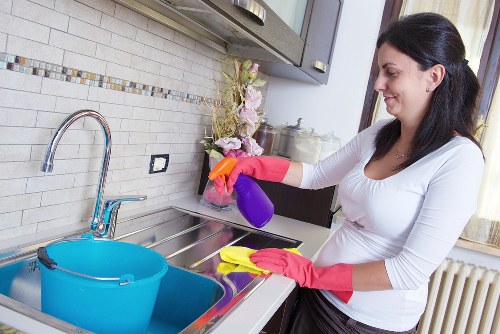
Every home has areas that need more attention than others. A smart domestic cleaning routine should focus on high-use and high-traffic spaces first. These are the places where dirt collects quickly and where daily habits can make the biggest difference.
Some of the most important areas include:
- Kitchen: Counters, sinks, stovetops, cabinets, and appliances
- Bathroom: Toilets, showers, tubs, mirrors, and sinks
- Living room: Floors, upholstery, coffee tables, and entertainment surfaces
- Bedrooms: Bedding, nightstands, wardrobes, and floors
- Entryways: Shoes, mats, doors, and frequently touched handles
These areas should be cleaned regularly because they accumulate dust, fingerprints, spills, and everyday mess more quickly than low-use spaces. Focusing on the right parts of the home makes domestic cleaning more efficient and ensures that your efforts produce visible results.
It is also helpful to think in terms of surfaces. Horizontal surfaces, fabric surfaces, and wet areas all have different cleaning needs. For example, a kitchen counter may need daily wiping, while curtains may only need occasional attention. Understanding this difference helps you work smarter, not harder.
Building an Effective Domestic Cleaning Routine
One of the most practical ways to manage domestic cleaning is to create a routine that fits your lifestyle. Instead of waiting until the house feels out of control, break tasks into daily, weekly, and monthly categories. This approach keeps the workload manageable and prevents buildup.
A simple cleaning schedule might look like this:
- Daily: Wash dishes, wipe kitchen counters, make beds, tidy visible clutter, and sweep or vacuum high-traffic areas.
- Weekly: Clean bathrooms, mop floors, dust furniture, vacuum carpets, and change bed linens.
- Monthly: Deep clean appliances, wash windows, clean skirting boards, and organize storage areas.
- Seasonally: Rotate mattresses, clean behind furniture, inspect vents, and declutter unused items.
This type of routine works because it spreads the effort over time. Rather than spending a whole day doing everything at once, you can maintain a cleaner home with shorter, more focused sessions. Consistency is the secret to successful domestic cleaning.
Daily Habits That Make Domestic Cleaning Easier
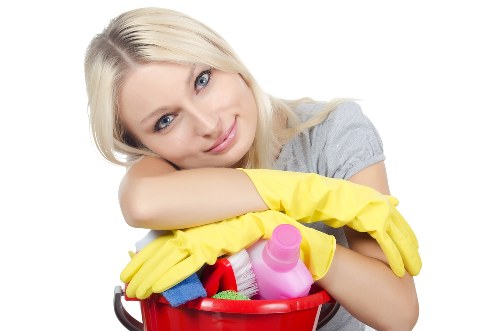
Small habits can have a huge effect on how much cleaning you need to do later. When you build simple routines into your day, domestic cleaning becomes less stressful and more manageable. These habits also help prevent mess from spreading throughout the house.
Useful daily habits include putting items back in their place after use, wiping spills immediately, clearing kitchen surfaces after cooking, and spending five to ten minutes tidying up before bedtime. These actions take very little time but reduce the buildup of clutter and grime. They also make it easier to keep your home presentable for unexpected visitors.
Another helpful habit is a quick evening reset. This might involve loading the dishwasher, collecting laundry, fluffing cushions, and doing a short sweep of common areas. Five minutes of prevention can save thirty minutes of cleaning later. Over time, these habits become second nature and support a cleaner, calmer household.
Deep Domestic Cleaning: When and Why It Matters
While routine tidying and surface cleaning are essential, deep domestic cleaning is also important. Deep cleaning goes beyond the visible mess and targets areas that are often forgotten during normal chores. This may include cleaning inside ovens, behind furniture, under beds, inside cupboards, and around fixtures.
Deep domestic cleaning is especially valuable when seasons change, after renovations, before special events, or when the home has not been thoroughly cleaned in a while. It helps remove hidden dirt, grease, and buildup that can affect both hygiene and appearance. It is also a good way to refresh your living space and make it feel new again.
Common deep cleaning tasks may include descaling taps, scrubbing grout, washing skirting boards, cleaning window tracks, sanitizing rubbish bins, and dusting vents or fans. These tasks can take more time, but they make a significant difference in the overall cleanliness of the home. If you want your domestic cleaning results to last, deep cleaning should be part of the plan.
Domestic Cleaning in Kitchens: A High-Priority Space
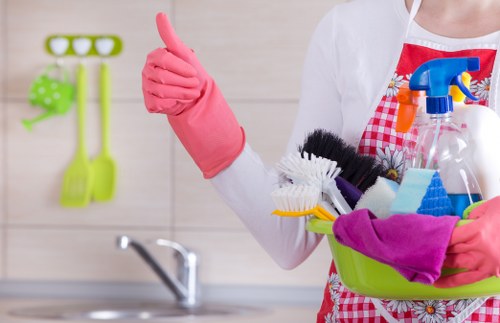
The kitchen is one of the busiest rooms in any home, which means it often needs the most attention. Food preparation, cooking, and dishwashing can all create spills, splashes, crumbs, grease, and odors. Because of this, kitchen domestic cleaning should be done regularly and carefully.
Start with the obvious surfaces: counters, sinks, stovetops, cabinet handles, and appliance exteriors. These areas are frequently touched and can collect bacteria or residue quickly. Pay special attention to the refrigerator, microwave, oven, and dishwasher, since hidden mess in these appliances can affect food safety and household smell.
Kitchen floors should also be cleaned often because they collect crumbs and sticky spots. A spotless kitchen supports better hygiene and makes cooking more enjoyable. When your kitchen is clean, it is easier to prepare meals confidently, store food safely, and keep your whole home feeling fresh.
Domestic Cleaning in Bathrooms: Hygiene Comes First
Bathrooms require a targeted cleaning approach because they are naturally exposed to moisture, soap residue, and bacteria. Good bathroom domestic cleaning helps keep these spaces sanitary, odor-free, and visually fresh. It also reduces the chance of mold and mildew forming on grout, tile, or shower curtains.
Focus on cleaning the toilet, sink, bathtub, shower, taps, mirrors, and floors. Use suitable cleaning products for each surface and rinse away residue to prevent buildup. Pay attention to corners, behind toilets, and around drains, since these places often collect hidden grime. Regular ventilation is equally important because airflow helps reduce dampness.
Bathrooms benefit from frequent quick cleans and occasional deep cleaning. Wiping down surfaces after use, hanging towels properly, and removing standing water can make a big difference. A clean bathroom is a sign of a well-kept home, and it is one of the first areas guests tend to notice.
Living Areas and Bedrooms: Comfort Through Cleanliness
Living rooms and bedrooms should feel restful, and domestic cleaning plays a huge role in making that happen. These rooms are places where people relax, sleep, read, and spend quality time, so cleanliness directly affects comfort. Dust, clutter, and stale air can make the space feel tiring instead of soothing.
For living areas, vacuum carpets, wipe down tables, dust shelves, and refresh upholstery where needed. Keep remote controls, cords, and magazines organized so surfaces do not become cluttered. In bedrooms, focus on clean bedding, organized wardrobes, and dust-free furniture. These tasks make the room more inviting and easier to maintain.
It is also smart to clean soft furnishings regularly. Curtains, rugs, cushions, and mattresses can trap dust and odors over time. Comfort starts with cleanliness, and these rooms are worth maintaining carefully because they support rest, family time, and daily wellbeing.
How Domestic Cleaning Supports Better Indoor Air Quality
Many people do not realize that domestic cleaning can have a noticeable effect on indoor air quality. Dust, pet hair, pollen, and other particles settle on floors, fabrics, and surfaces. When these particles build up, they may be disturbed by movement and circulate through the air you breathe.
Vacuuming with a good filter, dusting regularly, and washing fabrics can reduce indoor pollutants and help create a cleaner environment. This is especially important for households with children, elderly family members, or anyone sensitive to allergens. Cleaner air can contribute to better comfort and fewer irritation issues.
Ventilation also matters. Opening windows when possible, using extractor fans, and reducing dampness can support your domestic cleaning efforts. Together, these steps help keep the home feeling fresher and healthier. Clean surfaces and clean air work hand in hand for a better living space.
Choosing the Right Cleaning Products
The products you use can influence how effective your domestic cleaning routine is. Some products are designed for general cleaning, while others are made for specific materials or surfaces. Choosing the right solution helps you get better results while protecting your furniture, floors, and fixtures.
Look for products that are suitable for wood, glass, stainless steel, tile, stone, and fabric, depending on the area being cleaned. Read labels carefully and follow instructions so you do not damage surfaces or leave behind residue. For households with children or pets, many people prefer gentler or low-odor options.
There is also growing interest in eco-friendly domestic cleaning products. These can reduce exposure to harsh chemicals and may be a better fit for homes that prioritize sustainability. The best product is the one that works safely and consistently in your particular household.
Time-Saving Domestic Cleaning Strategies
If your schedule is busy, time-saving strategies can make domestic cleaning much easier to manage. One of the best methods is to clean room by room rather than jumping between tasks. This keeps you focused and prevents unfinished chores from piling up in different parts of the home.
Another effective strategy is to clean from top to bottom. Start with shelves and higher surfaces so dust falls downward, then finish with floors last. This reduces the need to repeat work. You can also keep a small cleaning caddy with the products and tools you use most often, which saves time moving from room to room.
Many households find success by assigning simple tasks to different family members. Even children can help with age-appropriate chores such as putting away toys, wiping low tables, or sorting laundry. Shared responsibility makes domestic cleaning faster and fairer, especially in busy homes.
When to Consider Professional Domestic Cleaning
Sometimes, even the best routine is not enough to keep up with everything. That is where professional domestic cleaning can be valuable. It can provide support when life gets hectic, when you are moving in or out, when you need a reset, or when deep cleaning tasks feel too large to handle alone.
Professional domestic cleaning services often bring experience, efficiency, and specialized tools. They can handle detailed tasks more quickly and thoroughly, especially in kitchens, bathrooms, and high-use areas. For busy professionals, large families, or anyone managing a packed schedule, this type of support can be a practical way to maintain standards without added pressure.
It is also worth considering professional help for seasonal deep cleans or after events. Sometimes the smartest cleaning decision is getting extra support. If your home needs more attention than your current routine allows, it may be time to book your service now and regain control of your space.
Domestic Cleaning Mistakes to Avoid
Even with good intentions, some common mistakes can make domestic cleaning less effective. One of the biggest is waiting too long between cleans. Dirt becomes harder to remove when it has time to settle, so regular maintenance is always easier than trying to recover from major buildup.
Another common mistake is using the wrong product for the wrong surface. This can damage finishes, leave streaks, or make cleaning less effective. Overusing product is also a problem because residue can attract more dirt. Using too little water or not rinsing when necessary can create the same issue.
Finally, many people forget the hidden spots. Behind appliances, under furniture, and along edges are easy to miss, but they matter. Effective domestic cleaning is about consistency, not perfection. Avoiding these mistakes will help you maintain a cleaner, healthier home with less effort over time.
How Domestic Cleaning Improves Everyday Life
A clean home influences more than what people see at first glance. Domestic cleaning can improve your mood, simplify your routines, and make your home feel more welcoming. When the environment around you is tidy and fresh, it is easier to think clearly and enjoy your time at home.
There is also a practical benefit: well-maintained homes are easier to live in. You spend less time searching for items, less time handling emergency messes, and less time dealing with avoidable wear and tear. This creates more room for family, rest, hobbies, and work without the constant distraction of clutter.
Whether you handle the chores yourself or use outside support when needed, domestic cleaning is one of the most valuable habits for maintaining balance in a household. Clean spaces support calm routines, and that can improve everyday life in very real ways.
Final Thoughts on Domestic Cleaning
Domestic cleaning is much more than a chore list. It is a practical way to care for your home, support your health, and create a better environment for everyone who lives there. From daily tidying to deep cleaning sessions, every effort contributes to a cleaner, more organized, and more pleasant home.
The key is to find a routine that fits your household. Focus on high-priority areas, stay consistent with small habits, and do not wait for mess to become unmanageable. If needed, bring in professional domestic cleaning support to help maintain the standard you want. Book your service now if you are ready to enjoy a fresher, easier, and more polished home experience.
With the right approach, domestic cleaning can feel less like a burden and more like a simple system that keeps your home at its best. Clean rooms, fresh air, and organized spaces all add up to a more comfortable life, and that is something every household can benefit from.