Office Cleaning: Creating a Healthier, More Productive Workplace
Office cleaning is more than a routine chore; it is a core part of maintaining a healthy, organized, and productive workplace. Whether a company is small or large, clean workspaces support employee well-being, improve first impressions, and help operations run smoothly. In today’s fast-paced business environment, office cleaning plays a direct role in professionalism, safety, and efficiency.
Many businesses now recognize that a clean office is not just visually appealing. It can reduce allergens, limit the spread of germs, protect equipment, and help employees feel more focused throughout the day. From reception areas to break rooms, every part of the workplace benefits from regular office cleaning.
For organizations aiming to make a positive impression, reliable office cleaning services are an essential investment. A spotless environment tells clients, partners, and employees that the business values quality and care. That is why office cleaning has become a priority across industries, including corporate offices, healthcare administration, education, retail headquarters, and coworking spaces.
Why Office Cleaning Matters for Modern Businesses

Office cleaning affects more than appearance. It influences health, morale, productivity, and even the longevity of office assets. Dust, dirt, and clutter can quickly create an environment that feels neglected and distracting. In contrast, a clean workspace promotes order and supports a positive business image.
Regular office cleaning helps reduce the spread of bacteria and viruses, especially in high-touch areas like door handles, elevator buttons, shared desks, keyboards, and meeting tables. In many offices, employees share equipment and common spaces, so consistent cleaning is crucial for maintaining a healthier workplace.
Office cleaning also supports better concentration. Employees often work more efficiently in neat, well-maintained spaces because they spend less time dealing with clutter and more time focusing on tasks. A clean office encourages clearer thinking, which can contribute to stronger overall performance.
Key benefits of office cleaning
- Improves workplace hygiene and reduces germs
- Creates a professional impression for visitors
- Supports employee comfort and morale
- Helps preserve furniture, flooring, and equipment
- Reduces clutter and improves productivity
Core Areas Covered in Office Cleaning

Office cleaning should address every area of the workplace, not just the visible surfaces. A well-rounded service targets both shared and private spaces so the entire environment feels fresh and organized. The most effective office cleaning routines are consistent, detail-oriented, and tailored to the specific needs of the business.
Reception areas are among the first places clients and guests notice. These spaces should always be tidy, dust-free, and welcoming. Restrooms, meanwhile, require special attention because they are high-traffic areas where sanitation is especially important. Conference rooms, kitchens, and break areas also need frequent cleaning to maintain a safe and pleasant atmosphere.
Professional office cleaning typically includes dusting, vacuuming, sanitizing, trash removal, floor care, and surface disinfection. Depending on the workplace, it may also involve window cleaning, carpet cleaning, upholstery care, and deep cleaning of less frequently used spaces. Every office has different needs, so cleaning plans should be flexible.
Common office cleaning tasks
- Dusting desks, shelving, and electronics
- Vacuuming carpets and cleaning hard floors
- Sanitizing shared surfaces and touchpoints
- Emptying bins and replacing liners
- Cleaning restrooms and replenishing supplies
- Maintaining break rooms and kitchen areas
Daily, Weekly, and Monthly Office Cleaning Routines

Effective office cleaning works best when organized into recurring schedules. Not every task needs to happen every day, but some cleaning duties are essential for maintaining a hygienic environment. By separating tasks into daily, weekly, and monthly routines, businesses can maintain a consistently clean workplace without overlooking important details.
Daily office cleaning usually focuses on high-traffic and high-touch areas. This includes wiping down desks, sanitizing shared equipment, cleaning restrooms, and removing trash. Weekly cleaning may involve deeper dusting, floor polishing, and cleaning interior glass or kitchen appliances. Monthly tasks can include carpet shampooing, upholstery treatment, air vent cleaning, and other deeper maintenance work.
A structured office cleaning schedule helps businesses stay on top of cleanliness while reducing the likelihood of major buildup. It also makes it easier to assign responsibilities, monitor quality, and adjust cleaning services based on changing office activity.
Suggested cleaning frequency
- Daily: Restrooms, trash, surfaces, shared touchpoints
- Weekly: Dusting, vacuuming, mopping, kitchen cleaning
- Monthly: Deep floor care, upholstery, vents, and detailed sanitation
Office Cleaning and Workplace Health

One of the most important reasons businesses invest in office cleaning is workplace health. Germs can spread rapidly in shared environments, especially when employees use common restrooms, kitchens, and meeting rooms. Regular cleaning and disinfection help limit the spread of illness and support a healthier work setting.
Office cleaning can also improve indoor air quality. Dust, pollen, and other particles often collect on surfaces, carpets, and vents. When these are not cleaned regularly, they can circulate through the office and contribute to discomfort, sneezing, or reduced air quality. Consistent dust removal and floor care can make a noticeable difference in how the office feels.
For businesses that want to demonstrate care for employee wellness, office cleaning is a practical and visible step. It shows that health and safety are priorities, not afterthoughts. This can be especially valuable in shared office environments or spaces that host frequent visitors.
Health-related cleaning priorities
- Sanitizing door handles, light switches, and railings
- Cleaning restrooms with hospital-grade or approved disinfectants
- Maintaining hygienic kitchen and food-prep areas
- Removing dust from vents, blinds, and high surfaces
- Disinfecting shared desks and conference equipment
How Office Cleaning Supports Productivity and Focus
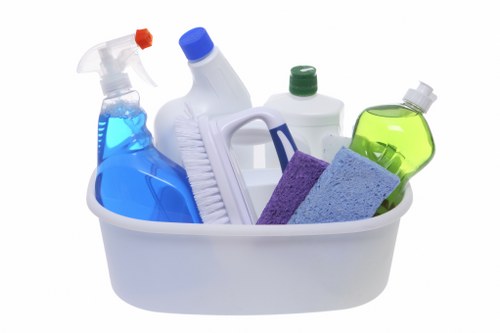
There is a strong connection between office cleaning and productivity. A clutter-free space makes it easier for employees to find what they need, move around efficiently, and stay mentally organized. Clean environments reduce distractions and help teams remain focused on their goals.
When desks, meeting rooms, and common areas are well maintained, employees often feel more comfortable and motivated. Office cleaning also contributes to a sense of pride in the workplace. People are more likely to care for their environment when it is clean and orderly from the start.
In many businesses, office cleaning even helps improve time management. Employees waste less time searching for misplaced items or dealing with messy shared areas. This small improvement can create a meaningful impact over time, especially in busy offices where every minute matters.
Ways cleanliness affects performance
- Reduces visual distractions
- Helps employees stay organized
- Supports a calmer work atmosphere
- Improves space efficiency
- Encourages consistent workplace habits
Choosing the Right Office Cleaning Approach
Every workplace is different, which means office cleaning should be customized. A law firm may require a quiet, detail-focused service that works outside business hours, while a busy call center may need more frequent daytime cleaning. The best office cleaning approach depends on the size of the office, the number of employees, the type of work being done, and the level of foot traffic.
Businesses can choose between in-house cleaning staff, outsourced cleaning companies, or a hybrid model. In-house teams may be ideal for very large organizations with constant cleaning demands. Outsourced office cleaning services, on the other hand, provide flexibility, expertise, and access to specialized equipment. For many businesses, outsourcing is the most efficient option because it reduces management burden and allows for professional results.
When selecting an office cleaning provider, it is important to consider training, reliability, scope of work, and consistency. A quality cleaning service should understand how to clean different office materials safely and effectively. Attention to detail matters, especially in workplaces where presentation and hygiene are equally important.
What to look for in an office cleaning service
- Flexible scheduling options
- Experience with commercial cleaning environments
- Safe and effective cleaning products
- Clear cleaning checklists and service standards
- Ability to handle both regular and deep cleaning
Best Practices for Effective Office Cleaning
Successful office cleaning is built on consistency, planning, and the use of the right methods. Even a well-cleaned space can quickly become untidy if there is no system in place. Businesses that invest in the right processes often enjoy cleaner, safer, and more professional-looking workplaces all year long.
One of the most effective practices is using a zone-based cleaning approach. This means dividing the office into specific areas such as reception, workstations, conference rooms, kitchens, and restrooms, then assigning different cleaning tasks to each zone. It ensures that no area is forgotten and makes office cleaning more efficient.
Another important practice is using appropriate cleaning products for different surfaces. Glass, wood, metal, tile, carpet, and electronics all require different care. Using the wrong product can damage materials or leave residues behind. A good office cleaning routine should be both thorough and surface-safe.
Helpful office cleaning habits
- Encourage employees to keep desks organized
- Clean spills immediately to prevent stains and hazards
- Use labeled storage to reduce clutter
- Keep cleaning supplies accessible and well-stocked
- Review cleaning checklists regularly
Small habits that make a big difference
Simple daily habits can support a professional cleaning routine. For example, employees can clear their desks at the end of the day, wipe down shared devices after use, and dispose of food waste properly. These actions complement office cleaning services and help maintain a fresh environment between scheduled visits.
Office Cleaning for Different Types of Workspaces
Office cleaning needs vary depending on the business setting. A traditional corporate office may focus on meeting rooms, desks, and reception areas, while a coworking space may require frequent sanitization of shared equipment and rotating workstations. Medical administration offices, educational institutions, and financial firms may all have unique cleanliness expectations as well.
Small offices often benefit from streamlined cleaning plans that cover essential tasks without disrupting daily operations. Larger offices may need more specialized office cleaning schedules with multiple staff members, equipment-specific cleaning, and after-hours service. The scale of the workspace influences how cleaning is planned and carried out.
Businesses should also think about seasonal changes. During flu season, office cleaning may need to focus more on disinfection and touchpoint sanitation. In rainy or snowy weather, entryways may require extra attention because of mud, water, and debris tracked indoors.
Office cleaning considerations by workspace
- Corporate offices: Presentation, flooring, meeting rooms, and reception areas
- Coworking spaces: Shared desks, kitchens, restrooms, and communal equipment
- Professional services: Quiet cleaning, polished surfaces, and client-facing spaces
- Administrative offices: Desks, files, electronics, and sanitary break areas
Eco-Friendly Office Cleaning Practices
Many businesses now prefer eco-friendly office cleaning methods that reduce environmental impact while maintaining high standards of hygiene. Green cleaning products are designed to be safer for employees, visitors, and the environment. They can also help reduce strong odors and minimize exposure to harsh chemicals.
Eco-friendly office cleaning often includes microfiber cloths, HEPA-filter vacuums, biodegradable products, and reduced water waste. These methods align with broader sustainability goals and can support a healthier indoor environment. Businesses that value environmental responsibility often see green cleaning as a natural extension of their values.
Choosing sustainable office cleaning practices can also be beneficial for organizations that want to enhance their reputation. Clients and employees often appreciate businesses that make thoughtful decisions about cleanliness and environmental impact. Sustainability and cleanliness can work hand in hand.
Green cleaning ideas
- Use non-toxic and low-VOC cleaning products
- Reduce single-use cleaning materials where possible
- Choose reusable microfiber cloths and mop heads
- Optimize cleaning routes to reduce energy use
- Recycle office waste properly during cleaning routines
Maintaining Long-Term Results with Office Cleaning
Office cleaning is most effective when it becomes part of a long-term maintenance plan rather than a one-time fix. Clean offices stay cleaner when businesses combine regular professional cleaning with everyday upkeep. This approach reduces buildup, keeps workspaces presentable, and extends the life of office furnishings and surfaces.
Long-term office cleaning success often depends on communication and consistency. Managers should review cleaning needs regularly and adjust the schedule when office occupancy changes, events are hosted, or specific areas require extra attention. This helps ensure that the cleaning plan always matches the reality of the workplace.
It is also helpful to monitor quality over time. Businesses can use checklists, inspection routines, or recurring cleaning goals to stay aligned with standards. The result is a workplace that remains organized, sanitary, and ready for daily operations.
Long-term maintenance tips
- Review office cleaning plans every quarter
- Adapt service frequency to match office usage
- Track problem areas that need extra attention
- Combine professional cleaning with employee responsibility
- Prioritize deep cleaning at regular intervals
Keeping standards high
Businesses that treat office cleaning as an ongoing priority tend to enjoy better results. Clean offices support stronger impressions, healthier routines, and more efficient workdays. Over time, this consistency can become part of a company’s culture, reinforcing professionalism at every level.
Final Thoughts on Office Cleaning
Office cleaning is a practical business strategy with wide-reaching benefits. It improves hygiene, supports productivity, strengthens workplace morale, and helps businesses present themselves in the best possible light. Whether the goal is to reduce germs, improve organization, or create a more welcoming environment, consistent office cleaning makes a measurable difference.
From daily maintenance to deep cleaning services, the right approach depends on the needs of the workspace. What matters most is creating a plan that keeps the office clean, safe, and ready for success. When businesses invest in professional office cleaning, they invest in the comfort and performance of everyone who uses the space.
If your workplace is ready for a cleaner, healthier environment, contact us today or book your service now. A well-maintained office is not just a nicer place to work; it is a smarter way to operate.