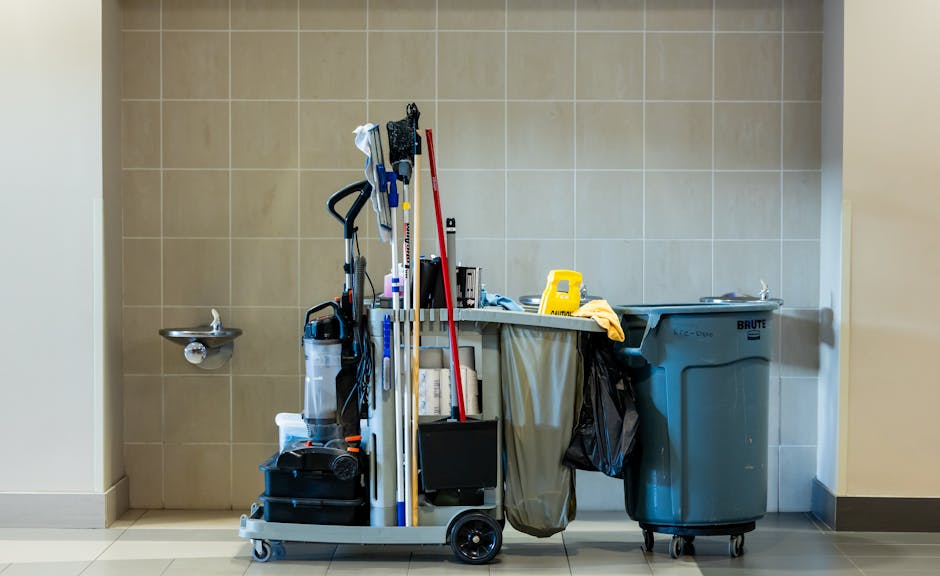
Finsbury Park office cleaning for small businesses: a practical guide for busy teams
If you run a small business, you already know how quickly a tidy office can slip into "we'll sort it later" territory. One busy week, a few takeaway lunches, muddy shoes, printer dust, and suddenly the place feels tired. Finsbury Park office cleaning for small businesses is about more than keeping things looking nice; it helps your team work better, gives visitors a stronger first impression, and stops small messes turning into bigger headaches.
This guide breaks down what office cleaning actually involves, how it works in a small business setting, what to ask for, and how to avoid the common mistakes that waste time and money. It is written for people who need clear answers, not fluff. And yes, we'll keep it grounded in real-world office life, because let's face it, nobody wants a cleaning plan that only works in theory.
For a broader look at professional support across business premises, you may also find commercial cleaning services useful when comparing what your office needs against other workplace settings.
Table of Contents
- Why it matters for small businesses
- How office cleaning works
- Key benefits and practical advantages
- Who this is for and when it makes sense
- Step-by-step guidance
- Expert tips for better results
- Common mistakes to avoid
- Tools, resources and recommendations
- Law, compliance, standards, and best practice
- Options, methods, and comparison table
- Case study or real-world example
- Practical checklist
- Conclusion
- Frequently asked questions
Why Finsbury Park office cleaning for small businesses Matters
A small office does not need the scale of a corporate facilities team to benefit from a proper cleaning routine. In fact, small businesses often need it more urgently because there are fewer people to absorb the mess, tidy up after meetings, or notice when standards start slipping.
In a compact workplace, every surface matters. The reception desk is also the coffee station. The meeting room becomes storage when nobody is watching. Shared keyboards and door handles get touched all day. It adds up quickly. You notice it most in the details: a faint smell from the bin, fingerprints on glass, dust in the corner by the radiator, sticky marks on a table that seemed clean yesterday. That kind of thing quietly affects how the office feels.
For clients, the office often speaks before anyone does. A clean space suggests reliability, organisation, and care. That is especially important for small firms that are still building trust. If you are meeting clients, contractors, or candidates in person, the environment is part of your brand whether you plan for it or not.
There is also a practical side. Regular cleaning helps reduce the build-up of grime that eventually takes more time and more effort to remove. It can also support better hygiene in communal areas, which matters when several people share desks, kitchens, and washrooms. No magic here. Just less chaos.
Many small businesses in Finsbury Park operate from converted buildings, managed offices, shared workspaces, or small retail-back-office setups. These spaces can be awkward to keep clean because of mixed-use areas, varied foot traffic, and limited storage. A tailored office cleaning arrangement works better than a one-size-fits-all approach.
Expert summary: The best small-office cleaning plans are not the most complicated ones. They are the ones that match how the team actually uses the space, week after week.
How Finsbury Park office cleaning for small businesses Works
Office cleaning for a small business is usually built around three things: the size of the space, how often it is used, and what level of finish you expect. There is no single perfect schedule. A design studio with five staff and visiting clients has different needs from a small accountancy firm with eight desks and a quiet back office. That sounds obvious, but it is where many businesses go wrong.
Most arrangements start with a walkthrough or assessment. The cleaner or cleaning provider looks at the office layout, notes high-touch points, checks washroom and kitchen areas, and identifies any special concerns such as delicate flooring, shared equipment, or waste handling. From there, they can suggest a cleaning plan that fits the office rather than forcing the office to fit the cleaning plan.
In practical terms, a standard visit may cover:
- vacuuming and mopping floors
- dusting desks, shelves, ledges, and skirting
- wiping touchpoints such as handles, switches, and reception counters
- cleaning kitchen surfaces and sinks
- sanitising washrooms
- emptying bins and replacing liners
- spot-cleaning marks on glass, partitions, and furniture
Some offices need a more detailed clean at the start, especially if the space has not been cleaned professionally before or has recently changed tenants. In that case, a deep cleaning service can be a sensible first step before moving into a regular routine.
The schedule can then be set to daily, weekly, or a mix of both. For example, you might clean the office kitchen and toilets more frequently than meeting rooms or archive areas. That mixed model is often the sweet spot for small teams. It keeps costs under control without letting standards slide.
Communication matters too. A good arrangement should clarify what is included, what is excluded, how access works, where supplies are stored, and what happens if something breaks or needs reporting. If that all sounds a bit administrative, well, it is. But it saves hassle later.
It is also worth checking the provider's health and safety policy and insurance and safety information if you are assessing risk and responsibility before you sign off on a contract.
Key Benefits and Practical Advantages
The most obvious benefit is a cleaner office. Fair enough. But the real value goes deeper than appearances.
1. Better first impressions
Clients and suppliers usually notice the small things first: the smell of the space, the shine on the floor, whether the bin is overflowing, whether the meeting room feels fresh. A tidy office can make a small business feel more established and dependable. That is not marketing spin. It is how people respond in real life.
2. A more comfortable team environment
People work differently in a clean environment. They are less distracted, less embarrassed by clutter, and generally more comfortable using shared spaces. If someone has to wipe down a desk before they sit down every morning, that is a morale issue as much as a cleaning issue.
3. Reduced wear and tear
Dust, grit, and spills can damage floors, fabrics, and fixtures over time. Regular cleaning helps preserve the office, which is useful when you are trying to avoid unnecessary replacement costs. For carpets and soft furnishings, occasional specialist care can make a noticeable difference. You might combine office cleaning with carpet cleaning if the flooring is starting to look dull or patchy, or with upholstery cleaning for client seating and breakout furniture.
4. Less admin for your team
When cleaning is properly handled, your staff spend less time sorting wipes, chasing bin liners, or arguing about who last cleaned the microwave. Small annoyance, yes, but it all counts. Outsourcing the routine frees people to focus on actual work.
5. More consistent standards
A planned cleaning routine is easier to maintain than ad hoc tidying. That consistency matters in small offices, where one missed week can make the whole place feel off.
6. Better use of limited space
In a small business office, clutter builds fast. Regular cleaning and a few smart habits help keep shared areas usable rather than turning them into storage-by-default zones. If you have offices above street level or in shared buildings, it may also make sense to consider window cleaning so the space feels brighter and more presentable from the outside as well.
| Benefit | What it looks like in practice | Why it matters for a small business |
|---|---|---|
| First impressions | Fresh reception, clean glass, tidy meeting space | Helps build trust quickly |
| Team comfort | Cleaner desks, kitchens, and washrooms | Supports morale and day-to-day focus |
| Asset care | Less dirt build-up on floors and soft furnishings | Can reduce replacement and repair pressure |
| Efficiency | Less staff time spent on cleaning chores | Lets the team stay focused on business |
| Consistency | Reliable standards from week to week | Prevents the office from drifting into disorder |
Who This Is For and When It Makes Sense
Small business office cleaning is not just for formal corporate offices. It suits a wide mix of workplaces around Finsbury Park and nearby areas.
You may need it if you run a:
- small accountancy, legal, or consultancy office
- creative studio or marketing workspace
- clinic, therapy practice, or client-facing admin office
- property management or letting office
- start-up with shared desks and meeting space
- small back-office unit attached to another business
- co-working room or managed private office
It makes sense when the office is used often enough that cleaning becomes a recurring chore, but not so large that you need a full-time facilities setup. That middle ground is where professional support tends to be most efficient.
It also makes sense when your team is stretched. A lot of small businesses in London run lean. People wear several hats. Nobody especially wants to become the unofficial cleaner because they are the one who stays late on a Thursday. If that sounds familiar, you are not alone.
There are times when a one-off service is the right call. For example, after renovation dust, a spell of heavy client traffic, or a seasonal reset before the office gets busier. In those cases, one-off cleaning can be the simplest way to bring the space back to standard without setting up a long-term schedule right away.
And if the office has been affected by construction work, snagging, or fit-out changes, an after builders cleaning approach may be more suitable at the beginning. Builder dust gets everywhere. On everything. Somehow.
Step-by-Step Guidance
If you want a cleaning setup that actually works, the process should be simple and deliberate. No overcomplication.
- Assess the office properly. List the rooms, surfaces, and fixtures that need attention. Pay special attention to kitchens, toilets, entry areas, and any glass or fabric surfaces.
- Decide what needs cleaning daily, weekly, or monthly. High-touch and high-traffic areas usually need the most frequent attention. Store rooms and low-use areas may only need lighter care.
- Set clear priorities. If budget is tight, focus on hygiene-critical areas first. Reception can be polished later; the toilet should not be left until later.
- Agree access and timing. Decide whether cleaning happens before opening, after hours, or during quieter periods. For a small office, timing can make a huge difference to disruption.
- Document expectations. A short cleaning checklist is often enough. Make it clear what "clean" means for your office, not just what was loosely assumed.
- Review the first few visits. The first couple of cleans are where the details get fine-tuned. If something is being missed, say so early.
- Adjust the schedule as the office changes. Staff numbers, client footfall, and room usage can shift across the year. Your cleaning plan should shift with them.
A small note from experience: the offices that run smoothly are usually the ones that keep the cleaning brief short, practical, and honest. Not perfect. Just clear.
If you are comparing providers, it is sensible to review their pricing and quotes process so you know what is included before making a decision. The cheapest quote is not always the cheapest outcome, especially if the scope is vague.
Expert Tips for Better Results
A few practical habits can make office cleaning more effective without increasing the budget dramatically.
- Keep desk policy realistic. If desks are always covered in paperwork or cables, cleaners cannot do a proper job. A quick end-of-day clear-down helps a lot.
- Use the right materials on the right surfaces. Not every cleaner is suitable for every finish. This matters for glass, polished wood, and specialist flooring.
- Separate food prep from work areas where possible. Offices with a cramped kitchenette often struggle most with crumbs, smells, and sticky surfaces.
- Clean the touchpoints that people actually use. Door handles, kettle switches, lift buttons, and shared printers deserve attention because they are handled constantly.
- Do not wait until things look bad. By the time an office looks dirty, grime has usually already settled in.
- Build a small buffer into the budget. Occasional extras happen. A spill, a surprise visitor, a last-minute event. Life does that.
It can also help to think beyond the office floor alone. If you have a reception bench, waiting-area sofa, or fabric chairs, matching the cleaning plan with sofa cleaning or other soft-furnishing care can lift the whole space. The room feels fresher, not just cleaner.
And if you are trying to be more responsible with waste and supplies, you can align the routine with the company's recycling and sustainability approach. Small changes matter more than people think. They really do.
Common Mistakes to Avoid
Most problems in small-office cleaning come from assumptions. Someone assumes the cleaner will handle everything. Someone else assumes everyone knows what "weekly clean" means. Then the office gets messy, and nobody is quite sure why.
Leaving the scope too vague
If the cleaning brief is broad and undefined, important areas can be missed. Be specific about washrooms, bins, desks, sinks, and shared appliances. "General tidy" is not enough.
Focusing only on visible areas
Visible surfaces matter, but corners, under furniture, and behind shared appliances matter too. Dust does not care whether clients can see it.
Ignoring access and timing issues
Some small offices have complicated opening hours or shared building access. If nobody has thought through keys, alarms, or entry arrangements, the service becomes frustrating for everyone.
Skipping regular reviews
Cleaning needs change. Staff grow. Desks move. Footfall increases. A plan that worked six months ago may already be out of date.
Trying to do too much in-house
It is tempting to ask staff to "just keep on top of it." But that usually leads to uneven standards and annoyed employees. There is a balance, and you can feel when you have missed it.
Choosing on price alone
Low price can be fine. Low price plus unclear scope is where trouble starts. Look at the detail, not just the headline number.
Tools, Resources and Recommendations
You do not need a warehouse full of equipment to keep a small office clean. In many cases, the right mix of routine and basic tools is enough.
Useful items commonly include:
- microfibre cloths for dusting and wiping
- neutral-purpose sprays suitable for work surfaces
- vacuum cleaners with the right attachments for edges and corners
- mops or floor systems matched to the flooring type
- bin liners sized correctly for each waste bin
- disposable or reusable gloves for hygiene tasks
- simple printed checklists for repeatable tasks
For businesses that like structure, a cleaning log can be helpful. It does not need to be complicated. A basic record of tasks completed, issues noticed, and follow-up actions is often enough to keep everyone aligned. The point is consistency, not paperwork for its own sake.
It may also be worth grouping related cleaning needs together. For example, if the office has a lot of textile surfaces, you could pair routine office visits with carpet cleaning or window cleaning at longer intervals. That tends to give a better overall finish than one-off attention to a single area.
If you want to understand how a business works before committing, the company's about us page can be a useful starting point, while terms and conditions and payment and security help clarify the practical side of booking and payment. That sort of due diligence is a bit boring, yes, but worth it.
Law, Compliance, Standards, or Best Practice
For small business offices in the UK, cleaning is not just about appearance. There are sensible best-practice expectations around health, hygiene, and risk control. You do not need to turn into a compliance specialist overnight, but you should understand the basics.
At a practical level, employers are generally expected to maintain a reasonably safe, clean working environment, especially in shared areas, washrooms, and food prep spaces. If cleaners are working on your premises, it is also good practice to make sure access, instructions, and safety information are clear. Spills, cables, fragile items, and alarm systems should not be left to guesswork.
For many small offices, the most useful compliance mindset is simple: document what matters, communicate what matters, and make sure people know who is responsible for what. That includes emergency access, breakage reporting, chemical handling where relevant, and any area-specific risks.
If sustainability is part of your business values, consider how the cleaning routine supports recycling and waste reduction. Small offices often create more mixed waste than they realise: packaging, cups, wipes, printer materials. A little structure helps.
It is also wise to confirm that any provider can explain their safety approach in plain English. If they cannot, that is a red flag. A good company should be able to talk calmly about risk, insurance, and procedures without sounding like they are reciting a script.
For transparency around customer concerns and service handling, it can be reassuring to know a provider has a clear complaints procedure. Nobody wants to use it, obviously, but having one is a good sign.
Options, Methods, and Comparison Table
Small businesses usually choose between a few cleaning models. The right one depends on budget, office size, and how often the space is used.
| Option | Best for | Pros | Trade-offs |
|---|---|---|---|
| Daily cleaning | Busy offices, client-facing spaces | Consistent standards, strong hygiene | Higher ongoing cost |
| Weekly cleaning | Smaller teams, lower footfall | Good balance of cost and maintenance | Needs staff to keep the office tidy between visits |
| Mixed schedule | Offices with different usage zones | Flexible and efficient | Requires a clear brief |
| One-off deep clean | Move-in, reset, post-refurb, or seasonal refresh | Brings the space back to standard quickly | Does not maintain standards on its own |
There is no universal best option. A small office with a welcoming reception and a used kitchen may benefit from a mixed schedule, while a quiet back-office team might be fine with weekly visits plus a quick daily tidy by staff. The "best" plan is the one people can actually stick to.
Where extra spaces are involved, such as stairwells, shared lobbies, or private building entrances, a related service like communal area cleaning can be helpful. That is especially true in multi-tenant buildings where shared surfaces pick up dirt faster than you might expect.
Case Study or Real-World Example
Here is a realistic example from the kind of situation many small businesses recognise.
A five-person consultancy in Finsbury Park was working from a compact office with one meeting room, a tiny kitchen, and two washrooms shared with another tenant on the floor. The team handled most cleaning themselves at first. It worked, sort of. Then client visits increased, the kitchen started to feel stale by midweek, and the meeting room carpet picked up visible traffic marks near the door.
They changed to a simple arrangement: weekly office cleaning, more frequent attention to the kitchen and washrooms, and a monthly review of shared spaces. They also added carpet care and some light upholstery maintenance for the client chairs. Nothing dramatic. Just sensible.
The result was not flashy, but it was noticeable. The office felt calmer. People stopped spending five minutes before calls wiping things down. Clients walked in to a fresher room. One of the team members said the best part was simply not having to think about it every day. That's usually the sign the system is working.
If your office is in a similar position, the goal is not perfection. It is a clean, predictable baseline that supports your team and your visitors without creating more admin than it removes.
Practical Checklist
Use this as a quick sanity check before you book or review a cleaning arrangement.
- Have you listed all office areas, including kitchen, toilets, reception, and shared spaces?
- Do you know which areas need cleaning daily, weekly, or less often?
- Have you agreed the preferred cleaning time and access method?
- Is the scope clear enough to avoid "I thought that was included" moments?
- Have you checked safety, insurance, and accountability details?
- Do you know how issues or breakages should be reported?
- Have you considered specialist extras like carpet or window care where needed?
- Is the budget realistic for the level of cleanliness you want?
- Do staff know how to keep shared spaces workable between visits?
- Will the plan be reviewed after the first few cleans?
Quick takeaway: A good office cleaning plan should make the space easier to run, not harder. If it feels overly complicated, it probably needs simplifying.
For businesses that need a broader ongoing rhythm, a regular cleaning arrangement can be the most practical way to keep standards steady without constant reminders or last-minute catch-up sessions.
If your office is ready for a more reliable routine, the next step is simple: talk through your space, your timings, and your priorities, then build the plan around that. No drama. Just a cleaner, more dependable workplace.
Get a free quote today and see how much you can save.
Conclusion
Finsbury Park office cleaning for small businesses is really about making the workday smoother. A well-kept office supports better first impressions, fewer distractions, and less day-to-day hassle. It also protects the space you have worked hard to build, which matters more than people sometimes admit.
The best results come from clarity: know what needs cleaning, how often it needs doing, and what standard you expect. Keep the plan practical, review it regularly, and do not be afraid to adjust as the business grows or changes. Small offices change all the time, and that is perfectly normal.
Truth be told, a clean office does not solve every problem. But it does make the day feel a bit easier. And sometimes that is exactly what a small business needs.
Frequently Asked Questions
How often should a small office in Finsbury Park be cleaned?
It depends on footfall, office size, and how the space is used. Many small businesses do well with weekly cleaning plus daily tidying by staff, while client-facing or busy offices may need more frequent visits.
What does office cleaning usually include?
Typical tasks include vacuuming, mopping, dusting, wiping desks and touchpoints, cleaning kitchens and washrooms, emptying bins, and keeping shared areas presentable. The exact scope should always be agreed in advance.
Is office cleaning different from domestic cleaning?
Yes. Office cleaning usually focuses on work surfaces, shared facilities, hygiene, and presentation in a business environment. Domestic cleaning is built around homes, which often have different priorities and materials. For contrast, some providers also offer domestic cleaning, but the approach is not the same.
Can a small business just rely on staff to keep the office clean?
Staff can and should help with everyday tidiness, but relying on them alone usually leads to uneven standards. A proper cleaning plan reduces stress and helps maintain a consistent finish.
What should I ask before booking office cleaning?
Ask what is included, how often the service runs, what products are used, whether the provider has insurance, how access works, and how issues are reported. Clear answers up front save a lot of trouble later.
Do I need a deep clean before starting regular office cleaning?
Not always, but it can help if the office has not been cleaned professionally before, has visible build-up, or has recently been refurbished. A deep clean gives you a better baseline to maintain.
How do I keep cleaning costs under control?
Focus on high-priority areas first, choose the right frequency, and keep the brief practical. A mixed schedule often works well for small offices because it avoids paying for intensive cleaning everywhere all the time.
What if my office has carpets or soft seating?
Those surfaces often need occasional specialist attention beyond standard office cleaning. Combining routine cleaning with carpet or upholstery care can keep the space looking fresher for longer.
Is it worth getting window cleaning for a small office?
If your windows are visible from the street or affect the brightness inside the office, yes, it can be worth it. Clean glass makes a surprising difference to how the space feels, especially on darker days.
How do I know if the service is working?
You should notice steadier standards, less visible dirt, fewer complaints from staff, and less time spent dealing with cleaning chores internally. If the office still feels messy after a fair trial, the scope probably needs adjusting.
What happens if something is missed or not cleaned properly?
Raise it quickly and clearly. A good provider should have a straightforward way to handle feedback, and a clear complaints process is a useful sign that problems will be taken seriously.
Can office cleaning be arranged around working hours?
Yes, in many cases it can. Early morning, evening, or quieter daytime slots are often possible depending on building access and your office routine. The timing should be set to minimise disruption.
If you are comparing providers, it may also help to read their office cleaning service details alongside booking and policy pages so you can see how the practical side is handled. The cleaner the paperwork, the easier the working relationship tends to be.
And that is really the point: a small office should feel easy to walk into on a Monday morning, not like a tiny battle has already been lost before the kettle even boils.